
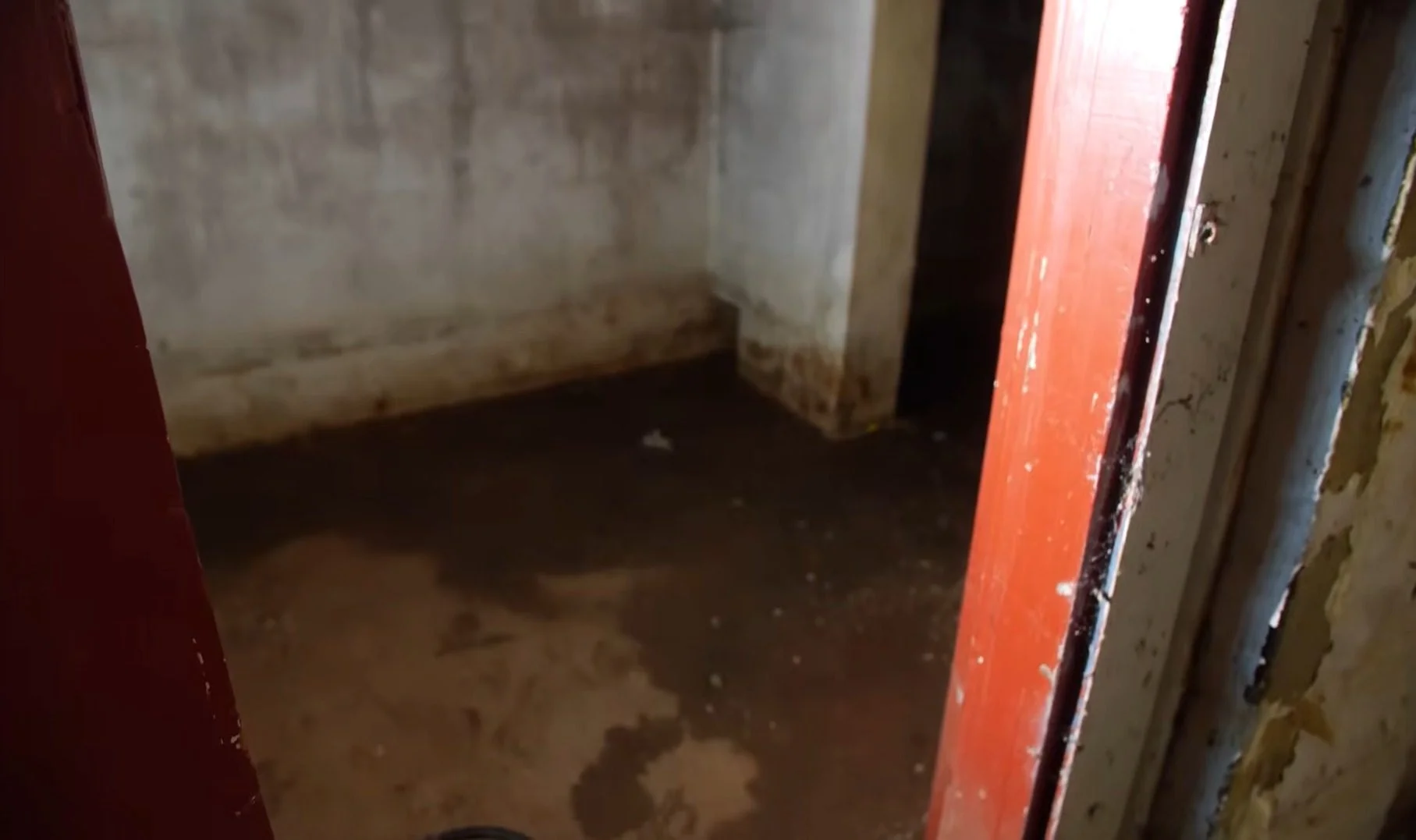
Discovering several inches of water across your finished or unfinished basement is one of the most stressful emergencies a property owner can face. In residential basements, two primary culprits cause catastrophic indoor flooding: pressurized plumbing supply pipe breaks and subterranean sump pump failures.
While both events result in standing water that destroys drywall, warps sill plates, and creates hazardous mold conditions within 24 to 48 hours, they represent fundamentally different loss mechanisms. Understanding the differences in water contamination category, flow dynamics, immediate triage steps, and insurance policy riders will dictate your immediate safety and ensure your property damage claim is approved.
Key Differences: Burst Pipe vs. Sump Pump Failure
The table below summarizes the technical, biological, and insurance distinctions between plumbing supply ruptures and sump pump mechanical failures:
1. How to Identify the Exact Cause of Your Flooded Basement
When you enter a flooded basement, fast diagnosis is crucial before water spreads deeper into wall cavities and subfloors:
- Signs of a Burst Pipe: You hear active rushing or hissing water; water is dripping or spraying from overhead ceiling drywall, joists, or water heater supply lines; your water meter dial is spinning rapidly even when no faucets are running; and the flooding occurs regardless of outdoor weather (even during clear, freezing winter nights).
- Signs of a Sump Pump Failure: Flooding corresponds directly with heavy rainstorms or rapid spring snowmelts; water originates from the sump pit basin in the corner of your basement or seeps up through cove joints (the seam where the concrete slab meets foundation walls); and the pump motor is either completely silent (tripped breaker/power loss) or buzzing continuously without discharging water (airlock or broken impeller).
2. First 30 Minutes: Critical Life-Safety & Property Triage
Before touching standing water or moving personal belongings, follow this mandatory 5-step safety sequence:
Immediate 5-Step Emergency Protocol:
- Step 1: Check Electrical Safety: Never step into standing water if water levels have reached electrical baseboard outlets, extension cords, or furnace wiring. Switch off the main basement electrical breaker from a dry, safe location.
- Step 2: Shut Off Water Supply (For Burst Pipes): Locate your home's main water shut-off valve (typically near the water meter or front foundation wall) and turn the lever clockwise until perpendicular to the pipe.
- Step 3: Document Everything for Insurance: Take date-stamped high-resolution photos and wide-angle videos of the standing water line, the failed pump or split pipe, and all submerged personal property before beginning extraction.
- Step 4: Dispatch Emergency Restoration Crews: Call a 24/7 certified restoration service at (888) 846-0214 to deploy high-volume truck-mounted extraction units.
- Step 5: Elevate Porous Valuables: If safe, move cardboard boxes, furniture, clothing, and electronics to upper dry levels to halt capillary water wicking.
3. Water Contamination Categories Under ANSI/IICRC S500 Standards
The Institute of Inspection, Cleaning and Restoration Certification (IICRC) establishes the standard of care for residential flood remediation. The biological hazard level dictates what materials can be sanitized versus what must be removed:
Category 1: Clean Water
Originates from sanitary sources like broken copper or PEX water supply pipes. Poses no initial health risk, but will rapidly degrade to Category 2 within 24 to 48 hours as it contacts floor dust and drywall.
Category 2: Gray Water
Standard sump pump overflow containing dissolved soil minerals, fertilizers, lawn pesticides, and bacterial microbes. Saturated carpet padding and porous insulation must be removed.
Category 3: Black Water
Grossly unsanitary sewer backup or floodwater carrying pathogens, E. coli, and fungal toxins. Saturated drywall requires mandatory flood cuts 12–24 inches above waterline.
4. Regional Freeze Dynamics & Specialized Local Restoration
Seasonal climate triggers dictate the vulnerability of residential plumbing systems. During deep winter freezes, uninsulated copper pipes, exterior hose bibbs, and attic supply lines freeze and burst as expanding ice fractures metal joints.
For homeowners facing sudden winter plumbing failures, pipe bursts, or slab leaks in North Texas, specialized emergency teams like pipe breaks allen tx provide immediate plumbing isolation, industrial water evacuation, and structural restoration to halt foundation shift and interior rot.
Conversely, when severe storms and saturated water tables overwhelm subterranean French drains, specialized emergency water removal by Water Removal Pros mobilizes truck-mounted vacuum extractors and commercial dehumidification across 12,307 communities nationwide to restore properties to verified dry standards.
5. The 6-Step Scientific Structural Drying Protocol
Whether water entered via a burst overhead pipe or a failed sump basin, structural drying requires precise psychrometric science—not household fans that spread airborne mold spores:
- Thermal Moisture Mapping: Calibrated FLIR® infrared cameras and pinless radio-frequency meters map hidden moisture pockets trapped behind baseboards, sill plates, and subfloor cavities.
- High-Volume Industrial Extraction: Submersible pumps and truck-mounted vacuum extractors remove bulk standing water at rates exceeding 1,000 Gallons Per Minute.
- Precision Flood Cuts: Saturated drywall and wet fiberglass batts are cleanly cut 12 to 24 inches above the moisture line to expose framing cavities for accelerated airflow.
- EPA-Registered Antimicrobial Sanitization: Application of hospital-grade botanical fungicides eliminates microbial spore germination during the critical 24–48 hour window.
- Psychrometric LGR Dehumidification: Commercial Low-Grain Refrigerant (LGR) dehumidifiers and high-velocity axial air movers extract moisture from deep concrete pores until moisture levels reach <16% Wood Moisture Equivalent (WME).
- Certificate of Structural Dry-Out: Daily psychrometric moisture logs confirm structural framing equilibrium, providing an itemized Xactimate® packet for insurance adjusters.
6. Navigating Homeowners Insurance Claims: Burst Pipe vs. Sump Pump
Understanding how insurance adjusters classify your flood claim determines whether you receive full reimbursement or an unexpected denial:
Burst Pipe Insurance Coverage:
Standard HO-3 homeowners insurance covers "sudden and accidental discharge of water" from plumbing systems under Dwelling Coverage (Coverage A) and Personal Property (Coverage C). If a copper pipe freezes and splits, the cost to extract water, dry framing, replace drywall, and restore finished flooring is generally covered (minus your policy deductible).
Sump Pump Overflow Insurance Coverage:
Standard insurance policies exclude water that backs up through sewers, drains, or sump pump pits. To be covered, you must have purchased a dedicated Water Backup and Sump Overflow Endorsement (Rider), which typically provides $5,000 to $25,000+ in dedicated coverage limits.
7. Long-Term Flood Prevention Checklist
- Install a Battery-Powered Backup Sump Pump: Primary AC pumps fail when severe storms knock out electrical power. A secondary 12V marine battery backup pump provides essential failover protection.
- Insulate Exposed Plumbing Supply Lines: Wrap foam pipe insulation or thermostatically controlled heat tape around PEX and copper pipes running through exterior walls, crawl spaces, and unheated basements.
- Install Smart Automatic Water Shut-Off Valves: Smart home devices (such as Flo by Moen or Phyn) detect micro-leaks and anomalous water flow, automatically shutting off the main supply valve in seconds.
- Test Sump Float Switches Seasonally: Pour 5 gallons of water into the sump pit every spring and autumn to verify that the float switch travels freely and the check valve prevents backflow.
Basement Flooded Right Now?
Our emergency response units are staged nationwide with truck-mounted vacuum extractors, thermal imaging cameras, and structural dehumidifiers.
Call (888) 846-0214 for Immediate Dispatch