⚡ Priority Dispatch Tiers — Fort Thomas Sump Pump Failures
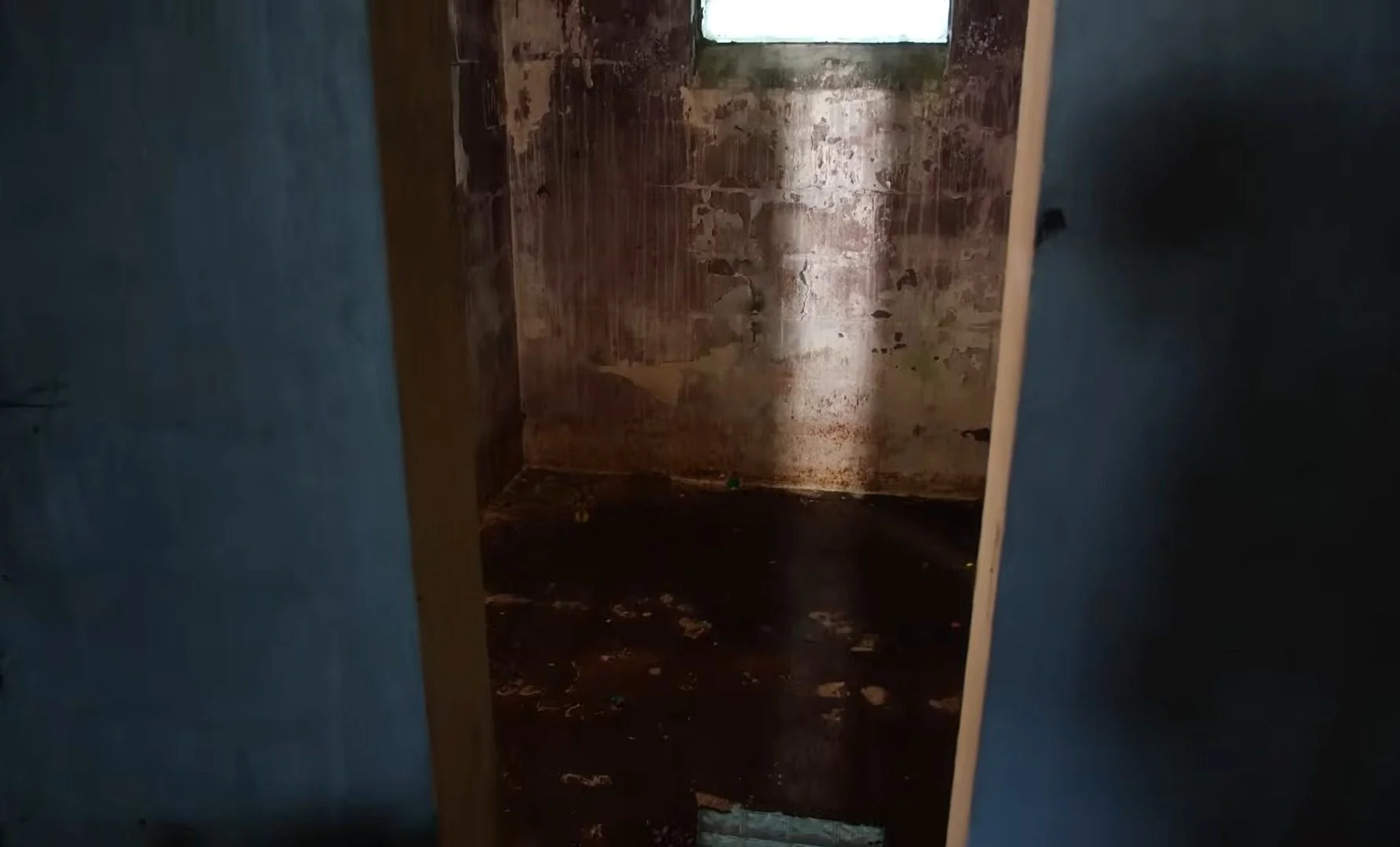
When a sump pump fails in Fort Thomas, the water depth and contamination level determine the required equipment payload. Our mobile response units staged along I-65, I-75, I-64, and I-71 deploy specialized extraction protocols based on site severity:
| Severity Level | Condition | Immediate Response |
|---|---|---|
| Critical | Standing water 2 inches or deeper | Industrial submersible trash pump extraction on arrival |
| High | Sewage or black water backflow | Category 3 biohazard extraction, OSHA PPE, biocide protocol |
| Elevated | Wet drywall, framing, saturated flooring | LGR dehumidification, precision moisture mapping, flood cut |
| Active | Musty odor, visible mold, hidden moisture | HEPA air scrubbing, antimicrobial treatment, post-test verification |
Why Fort Thomas Homeowners Choose Sump Pump Failure Cleanup
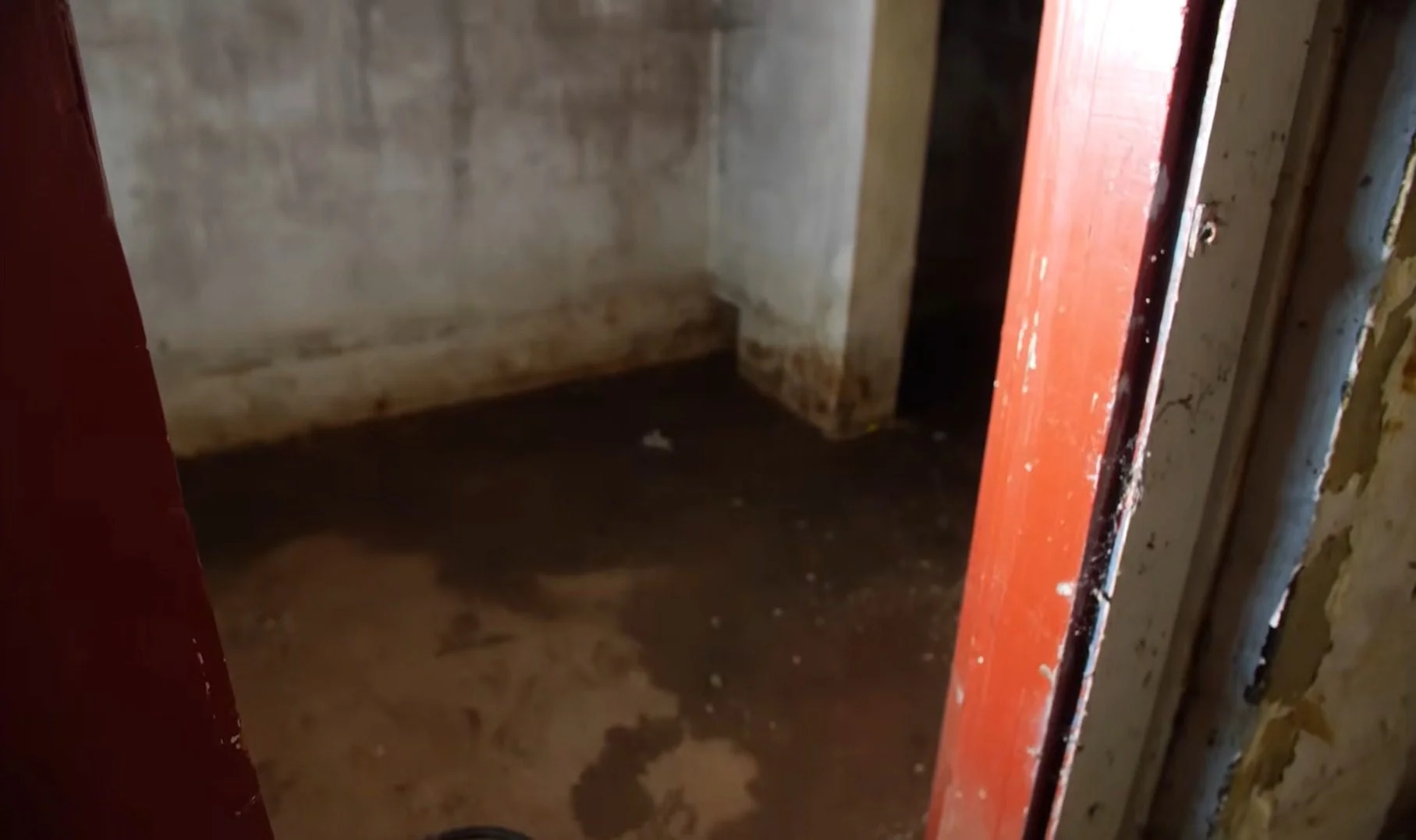
When a sump pump fails and floodwater invades your Fort Thomas basement, the contractor you call determines whether your home is fully restored or left with hidden mold colonies, rotting framing, and a denied insurance claim. General handymen lack the extraction equipment to remove standing water at volume. Basement waterproofing companies arrive with a sales pitch for drainage systems, not equipment to remove the water already in your basement. Franchise restoration companies divide their crews across fire, carpet, and roofing jobs — and a basement flood competes with every other job on the board.
Sump Pump Failure Cleanup is 100% dedicated to emergency basement water damage restoration following sump pump failures, power outages, float switch malfunctions, frozen discharge lines, and overwhelmed pump capacity across Fort Thomas and Fort Thomas County & Regional Drainage District.
Contractor Comparison Matrix
| Restoration Capability | Sump Pump Failure Cleanup | General Restoration Franchise | Waterproofing Sales Contractor | DIY / Handyman |
|---|---|---|---|---|
| Business Focus | 100% sump pump failure and basement flood cleanup | Divided: fire, smoke, carpet, roofing | Selling encapsulation and drainage packages | N/A |
| Emergency Response | 24/7 — mobile units dispatched to Fort Thomas immediately | 4–24 hour call center window | Sales appointment scheduled days out | Variable |
| Water Extraction | Truck-mounted & submersible trash pumps (1,000+ GPM) | Standard van-mounted vacuum | None — not equipped for extraction | Shop vac (5–10 GPM) |
| Structural Drying | Commercial LGR dehumidifiers + air movers | Standard dehumidifiers | None | Box fans (spreads mold) |
| Sewage Sanitization | EPA-registered broad-spectrum botanical disinfectant | Variable chemical agents | None | Household bleach (inadequate) |
| Insurance Documentation | Xactimate line-item + moisture logs + dry-out cert | Standard receipt | Sales invoice | Receipts only |
Fort Thomas Soil, Watershed, and Foundation Dynamics
Every basement water event is shaped by local soil mechanics, drainage patterns, and foundation construction. Here is how Fort Thomas's geographic characteristics affect sump pump operation and basement flooding vulnerability:
Local Soil Conditions in Fort Thomas
The ground surrounding Fort Thomas foundations consists primarily of karst limestone-derived clay and silty loam. This soil profile has a direct relationship to sump pump workload. During and after heavy precipitation, karst limestone-derived clay and silty loam becomes fully saturated quickly — and once saturated, it does not allow additional rainwater to percolate downward. Instead, water moves laterally, pressing against foundation walls and feeding drain tile systems faster than most residential pumps were sized to handle.
When the pump then stops operating — due to motor burnout, float switch failure, or power interruption — the water the drain tile was collecting has nowhere to discharge. It backs up into the sump pit and overflows into the basement floor.
Watershed and Drainage System in Fort Thomas
Fort Thomas sits within the Ohio River, Kentucky River, and Cumberland River drainage basins, which drains a significant portion of Fort Thomas County & Regional Drainage District. During peak storm events, watershed drainage reaches its capacity rapidly, raising perched water table conditions across residential neighborhoods with very little delay between rainfall and basement flooding.
This is why the late-winter rainfall saturation and heavy spring storm systems produces the highest volume of simultaneous sump pump failure calls across Fort Thomas. The same storm that overwhelms one home's sump system typically overwhelms dozens of neighboring systems at the same time.
Foundation Construction in Fort Thomas
Fort Thomas's residential housing stock is predominantly built on poured concrete and hollow block basement foundations with cove joints. This foundation type concentrates hydrostatic pressure stress at the wall-floor joint, through hollow block cores, and at cold joints between footings and stem walls — all of which are primary water entry points when a sump pump fails and pit water backs up.
Major roadways including I-65, I-75, I-64, and I-71 create large impervious surface areas that accelerate storm runoff toward residential lots adjacent to highway corridors, increasing peak groundwater inflow rates during late-winter rainfall saturation and heavy spring storm systems storm events.
For general geographic and demographic background on Fort Thomas, see the Fort Thomas, Kentucky Wikipedia entry.
What to Do in the First 60 Minutes of a Sump Pump Failure in Fort Thomas
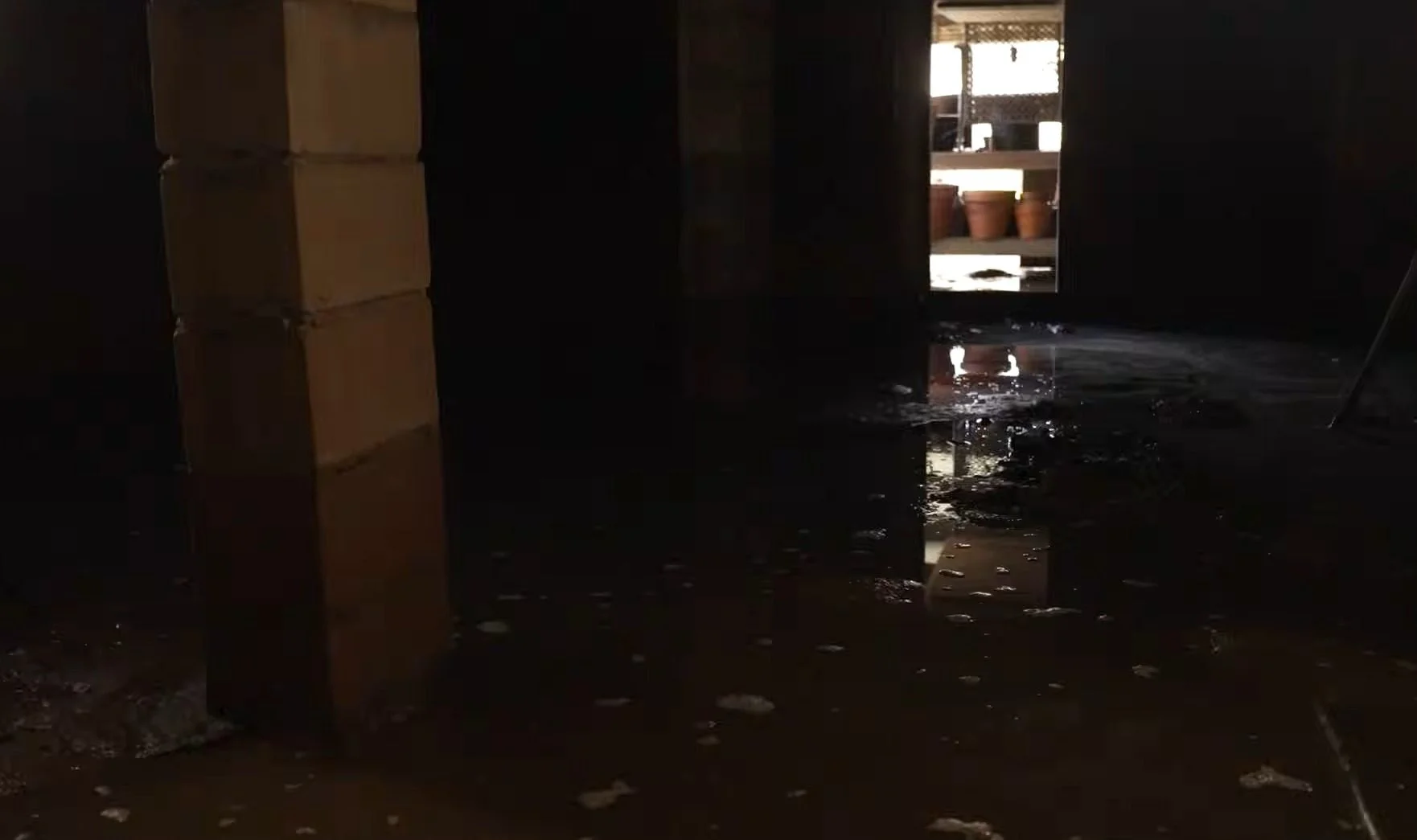
A sump pump failure is one of the fastest-moving water emergencies a Fort Thomas homeowner can face. The first 60 minutes determine whether the event is contained or becomes a full structural restoration.
Critical Safety Rules Before Entering a Flooded Basement
Do NOT enter standing water until these hazards are confirmed safe:
- Electrocution: Standing water contacting wall outlets, sump pump wiring, water heater connections, furnace components, or submerged extension cords can energize the entire water body. Do not step in until the main breaker panel is confirmed off.
- Structural movement: Saturated karst limestone-derived clay and silty loam beneath basement slabs loses load-bearing capacity. poured concrete and hollow block basement foundations with cove joints walls under sustained hydrostatic pressure can crack or shift without visible warning.
- Sewage contamination: Sump pit overflow in Fort Thomas frequently carries groundwater mixed with sewage infiltration, silt, and organic material from the Ohio River, Kentucky River, and Cumberland River drainage basins drainage network. Category 3 contamination is common and requires OSHA-compliant protective equipment — not household rubber boots.
Step-by-Step: What Fort Thomas Homeowners Should Do Right Now
- 1 Switch off electricity to the basement — Turn off all breakers serving the basement level, sump pump circuit, water heater, and HVAC system at the main panel. If the panel is in the flooded zone, do not enter. Call us.
- 2 Shut off the main water valve — If the flooding involves a burst pipe contributing water alongside the sump failure, locate and close the main water meter shutoff valve.
- 3 Do not run the HVAC system — Forced-air furnaces and air conditioners draw basement air upward through the Stack Effect. Running HVAC during a flood event distributes contaminated, mold-laden air into every room above the basement.
- 4 Do not use shop vacuums or household fans — Shop vacs lack the capacity for volume extraction. Standard fans spread airborne mold spores to unaffected surfaces and do not provide controlled drying. Both actions can complicate the insurance claim.
- 5 Do not assume the water will drain on its own — karst limestone-derived clay and silty loam surrounding Fort Thomas foundations has slow percolation. Water pressing against the slab and foundation walls continues wicking into concrete, framing, and drywall long after the visible pool appears to drop.
- 6 Call Sump Pump Failure Cleanup — 24/7: (888) 846-0214 — Commercial extraction equipment and IICRC-certified technicians are dispatched directly to your Fort Thomas address.
Complete Sump Pump Failure Cleanup Services in Fort Thomas, KY
Sump Pump Failure Cleanup provides complete basement water cleanup and restoration after a failed, overwhelmed, blocked, or non-functioning sump pump causes water damage in Fort Thomas, Kentucky. Our process covers the affected basement from the initial inspection and emergency water extraction through structural drying, damaged-material removal, microbial treatment, sanitization, restoration, and final documentation. Every step is focused on addressing the water damage caused by the sump pump failure and restoring the affected area.
Phase 1 — Sump Pump Failure Inspection and Damage Assessment
Emergency Sump Pump Failure Inspection in Fort Thomas
Every Fort Thomas sump pump failure cleanup begins with a detailed inspection of the affected basement. We inspect the sump pump area, sump pit, basement floor, walls, flooring, framing, and other potentially affected materials. We look for signs of pump malfunction, overflow, water migration, hidden moisture, contamination, and secondary damage so the cleanup can be planned around the actual condition of the property.
Sump Pump Failure Cause Assessment
Our technicians evaluate the failed sump pump and surrounding system to identify the apparent cause of the water event. Possible causes include pump malfunction, power interruption, float-switch problems, clogged discharge lines, overwhelmed pumping capacity, or other conditions that prevented the pump from removing incoming water. Understanding the failure helps document what happened at the Fort Thomas property and determine the appropriate cleanup response.
Moisture Mapping After Sump Pump Failure in Fort Thomas
Visible standing water does not always show the full extent of moisture damage. We use appropriate moisture detection equipment to identify affected areas in flooring, drywall, framing, subflooring, and other building materials. Moisture mapping establishes a baseline for the drying process and helps identify areas that require additional attention during Fort Thomas sump pump failure cleanup.
Thermal Imaging for Sump Pump Failure Damage
Thermal imaging may be used to identify temperature differences associated with potentially hidden moisture. This can help locate areas behind walls, beneath flooring, or in other difficult-to-inspect locations within a Fort Thomas basement following sump pump overflow.
Water Damage and Contamination Assessment
Before cleanup begins, we evaluate the apparent source and condition of the water. Where applicable, the water loss is assessed according to recognized water-damage restoration categories. The assessment helps determine the appropriate extraction, cleaning, drying, material-removal, and decontamination procedures for the Fort Thomas property.
Structural and Material Assessment in Fort Thomas
We inspect affected structural and building materials, including concrete, framing, sill plates, subflooring, drywall, insulation, and flooring. Materials that can potentially be dried and restored are identified separately from materials that may require removal because of saturation, deterioration, contamination, or other damage caused by the sump pump failure.
Phase 2 — Emergency Sump Pump Failure Water Extraction
Emergency Basement Water Extraction in Fort Thomas
Rapid water removal is the first major step after a sump pump failure. Our technicians extract standing water from affected basement areas and work systematically through the property to reduce continued exposure of building materials to moisture.
Fort Thomas Sump Pump Failure Standing Water Removal
Standing water is removed from basement floors, low areas, floor depressions, sump pit areas, and other accessible locations. Extraction methods are selected according to the volume, depth, accessibility, and condition of the water.
Sump Pit Water Extraction After Pump Failure
A failed sump pump can leave the sump pit filled with water while the surrounding basement is also affected. We remove accumulated water from the sump pit as part of the emergency cleanup process and inspect the surrounding area for overflow, sediment, residue, and other signs of the water event.
Submersible Pump Extraction for Basement Flooding
For larger volumes of standing water, commercial submersible extraction equipment may be used to rapidly reduce water levels. Equipment selection depends on the depth and volume of water and the conditions present at the Fort Thomas property.
Wet Vacuum Extraction for Residual Water
After primary water removal, residual moisture and shallow water can remain around walls, corners, floor depressions, and other difficult-to-reach areas. Commercial wet extraction equipment can be used to remove remaining accessible water before structural drying begins.
Basement Mud and Sediment Cleanup After Sump Pump Failure
Sump pump overflow can leave mud, silt, sediment, and debris behind after standing water has been removed. We physically clean affected basement surfaces in Fort Thomas before drying equipment is positioned.
Phase 3 — Structural Drying and Dehumidification
Structural Drying After Sump Pump Failure in Fort Thomas
Once standing water has been extracted, affected building materials must be dried to appropriate conditions. We develop a drying plan based on moisture readings, affected materials, environmental conditions, and the extent of the sump pump water damage.
Commercial Dehumidification for Fort Thomas Basement Water Damage
Commercial dehumidification equipment can be used to remove moisture from the basement air and support evaporation from affected building materials. Equipment selection and operation depend on the conditions identified during the inspection.
Air Mover Placement After Sump Pump Overflow
High-velocity air movers are strategically positioned across affected areas to increase airflow over wet surfaces and support faster evaporation. Equipment placement is adjusted according to the moisture distribution throughout the Fort Thomas basement rather than simply positioning equipment uniformly.
Wall Cavity Drying After Sump Pump Failure
When moisture enters wall cavities, surface airflow may not be sufficient. Depending on wall construction and moisture conditions, specialized drying methods can be used to direct airflow into affected cavities and help dry framing from within.
Fort Thomas Concrete Basement Floor Drying
Concrete can retain moisture after visible standing water has been removed. We monitor affected concrete surfaces and use appropriate airflow and dehumidification to support continued drying after sump pump flooding.
Subfloor and Floor Joist Drying
When sump pump overflow affects subflooring or floor joists, drying equipment is positioned to address moisture in these structural areas. Moisture readings are used to monitor drying progress and identify areas that require additional attention.
Moisture Monitoring During Sump Pump Failure Cleanup
Drying is monitored throughout the restoration process using appropriate moisture and environmental measurements. Depending on the materials involved, monitoring may include material moisture content, temperature, and relative humidity. Equipment placement can be adjusted as conditions change until the affected structure reaches appropriate drying conditions.
Phase 4 — Sump Pump Failure Damaged Material Removal
Wet Drywall Removal in Fort Thomas Basements
Drywall that cannot be effectively restored because of saturation, contamination, deterioration, or prolonged moisture exposure may require removal. Affected drywall is removed to an appropriate cut line so the underlying framing can be inspected, cleaned, and dried.
Water-Damaged Flooring Removal After Sump Pump Failure
Carpet, carpet padding, laminate, engineered flooring, vinyl flooring, and other affected floor materials may require removal when they cannot be effectively restored after sump pump flooding.
Wet Underlayment Removal
Saturated underlayment and padding can retain moisture against the basement floor. Where affected materials cannot be adequately dried or restored, they are removed as part of the Fort Thomas sump pump failure cleanup process.
Wet Insulation Removal After Basement Flooding
Water-damaged insulation can retain moisture inside wall cavities and interfere with structural drying. Where insulation is saturated, contaminated, or otherwise unsuitable for restoration, it may be removed so the affected cavity can be properly addressed.
Water-Damaged Building Material Removal
Other building materials may require removal depending on their type, condition, contamination level, and ability to be restored. Removal decisions are based on the specific conditions created by the sump pump failure.
Sump Pit and Surrounding Area Cleanup in Fort Thomas
The sump pit and nearby areas can collect sediment, debris, residue, and contaminated material during an overflow. These areas are cleaned as part of the overall sump pump failure cleanup process.
Flood Debris Removal After Sump Pump Failure
Waterlogged contents, damaged materials, mud, sediment, and other debris affected by the basement water event are removed from the work area. Materials are handled according to their condition and applicable disposal requirements.
Phase 5 — Mold and Microbial Treatment After Sump Pump Failure
Mold Assessment After Sump Pump Failure in Fort Thomas
Extended moisture exposure can create conditions that support microbial growth. If visible growth or other indicators are present, affected areas are evaluated to determine the appropriate cleanup or remediation response.
Fort Thomas Sump Pump Failure Mold Remediation
When mold remediation is necessary because of the sump pump water event, affected areas are addressed using appropriate containment, material removal, cleaning, and treatment procedures based on the extent and location of the growth.
Antimicrobial Treatment After Sump Pump Flooding
Appropriate antimicrobial products may be applied to affected surfaces when warranted by the water-loss conditions and restoration protocol. Product selection and application depend on the material and conditions being treated.
HEPA Air Filtration During Basement Cleanup
HEPA filtration equipment may be used when airborne particulate control is necessary during cleanup or microbial remediation. The equipment helps reduce airborne particles within the active work area.
Containment and Negative Air for Sump Pump Failure Mold Remediation
When the scope of microbial remediation requires containment, the affected work area may be isolated from surrounding areas. Negative-air equipment may be used where appropriate to help control airborne particle movement during the work.
Basement Odor Treatment After Sump Pump Failure
A failed sump pump can leave behind musty, damp, or contaminated odors. After the underlying moisture and affected materials have been addressed, appropriate odor-control procedures may be used to treat remaining odor sources in the Fort Thomas basement.
Post-Cleanup Verification
After extraction, drying, cleaning, and remediation are completed, the affected areas can be reviewed to confirm that the identified cleanup work has been completed and the affected materials have reached appropriate conditions for the next stage of restoration.
Phase 6 — Sump Pump Failure Structural Restoration
Water-Damaged Framing Repair in Fort Thomas
Framing that has sustained damage beyond practical restoration may require repair or replacement after the affected structure has been properly dried and evaluated.
Sill Plate and Band Joist Repair After Sump Pump Failure
Sill plates and band joists affected by prolonged moisture exposure are evaluated after drying. Where deterioration or other damage prevents restoration, affected sections may require repair or replacement.
Subfloor Repair and Replacement After Basement Flooding
Subflooring that has swollen, delaminated, deteriorated, or otherwise sustained damage from sump pump flooding may require repair or replacement after the supporting structure has reached appropriate drying conditions.
Drywall Replacement After Sump Pump Failure
After damaged drywall has been removed and the underlying structure has been properly dried, replacement drywall can be installed and finished as part of the Fort Thomas basement restoration process.
Flooring Replacement After Sump Pump Flooding
When flooring materials cannot be restored after a sump pump failure, replacement can be completed once the underlying floor and structure have been properly dried.
Basement Surface Restoration in Fort Thomas
Affected basement surfaces can be restored after water extraction, drying, material removal, cleaning, and necessary repairs are complete. Restoration work depends on the original materials and the extent of damage caused by the sump pump failure.
Phase 7 — Sump Pump Failure Basement Sanitization and Decontamination
Basement Sanitization After Sump Pump Failure
After water extraction and removal of affected materials, appropriate cleaning and sanitization procedures are performed on affected basement surfaces based on the condition and category of the water loss.
Contaminated Basement Cleanup in Fort Thomas
When sump pump overflow introduces contaminated water, sediment, or other contaminants into the basement, specialized cleaning and decontamination procedures may be required.
Sewage-Contaminated Sump Pump Cleanup
If a sump pump failure involves sewage-contaminated water, the cleanup process is adjusted to address the increased contamination risk. Affected materials are evaluated for removal, and affected surfaces are cleaned and treated using appropriate procedures.
Sump Pit Decontamination After Contaminated Overflow
When the sump pit itself has been affected by contaminated water, sediment, or sewage-related material, the pit and surrounding components are cleaned and treated as appropriate for the conditions.
Contaminated Material Disposal
Materials that cannot be restored because of water damage or contamination are removed from the Fort Thomas property and handled according to applicable disposal requirements.
Phase 8 — Sump Pump Failure Cleanup Documentation and Insurance Support
Sump Pump Failure Damage Documentation
We document the condition of the basement at the beginning of the cleanup and throughout the restoration process. Documentation may include photographs, moisture readings, affected materials, equipment placement, drying progress, and completed cleanup work.
Insurance Documentation for Sump Pump Failure Cleanup in Fort Thomas
Where the loss is being submitted to an insurance carrier, restoration documentation can be organized to help show the cause of the loss, affected areas, necessary cleanup work, material removal, drying, and restoration performed.
Sump Pump Failure Restoration Claim Support
Where appropriate, we can provide documentation and restoration estimates associated with the cleanup. Insurance coverage varies by policy and circumstances, so homeowners should confirm coverage and claim requirements with their insurance carrier.
Why Prompt Sump Pump Failure Cleanup Matters in Fort Thomas
Sump pump failure flooding is an active water loss that continues to affect materials until it is properly extracted and dried. Lingering moisture from sump pump failure can lead to progressive deterioration of basement building materials, persistent odors, microbial growth, and secondary damage to surrounding areas.
Prompt extraction and structural drying help stabilize the Fort Thomas property, protect restorable building components, reduce the overall scope of material removal, and maintain appropriate conditions for safe living spaces.
Emergency Sump Pump Failure Cleanup in Fort Thomas, KY
If your sump pump has failed, backed up, or stopped working and water is entering your basement, Sump Pump Failure Cleanup is available to help. Contact us to schedule emergency sump pump failure cleanup, basement water extraction, structural drying, and restoration services in Fort Thomas, Kentucky.
Sump Pump Failure Cleanup Service Area in Fort Thomas, Kentucky
Sump Pump Failure Cleanup provides full emergency response coverage across the entire Fort Thomas metropolitan footprint, including Fort Thomas County & Regional Drainage District and surrounding communities.
Confirmed Service ZIP Codes in Fort Thomas:
We provide 24/7 emergency sump pump failure cleanup across every ZIP code in Fort Thomas:
41075
If your ZIP code is not listed or you are unsure whether your address falls within our service area, call (888) 846-0214 — we confirm coverage immediately and dispatch without delay.
Neighborhoods We Serve in Fort Thomas
Our emergency response units actively serve homeowners in every neighborhood throughout Fort Thomas, including:
Whether you are calling from a historic neighborhood with aging clay tile drain systems or a newer subdivision built on recently graded land in Fort Thomas County & Regional Drainage District, Sump Pump Failure Cleanup dispatches to your Fort Thomas address 24 hours a day, 7 days a week, 365 days a year.
Nearby Communities in Fort Thomas County & Regional Drainage District We Also Serve
In addition to Fort Thomas, our IICRC-certified technicians provide emergency sump pump failure cleanup throughout Fort Thomas County & Regional Drainage District and surrounding areas:
- Fourmile, KY Sump Pump Failure Cleanup
- Frakes, KY Sump Pump Failure Cleanup
- Frankfort, KY Sump Pump Failure Cleanup
- Franklin, KY Sump Pump Failure Cleanup
- Ft Mitchell, KY Sump Pump Failure Cleanup
- Garfield, KY Sump Pump Failure Cleanup
If your community is not listed, call us — our service area extends across the full Fort Thomas County & Regional Drainage District region.
Frequently Asked Questions — Sump Pump Failure Cleanup in Fort Thomas, KY
Direct, verified answers to the most critical sump pump flood recovery and insurance questions.
Structural damage begins within hours of flooding. Drywall begins absorbing water and supporting mold growth within 24 hours. Framing lumber reaches the decay-risk WME threshold within 48–72 hours. Given Fort Thomas's karst limestone-derived clay and silty loam soil conditions and sustained groundwater pressure from the Ohio River, Kentucky River, and Cumberland River drainage basins, extraction should begin immediately — and must be complete within 24–48 hours to meet insurance claim documentation requirements.
It depends on your policy. Standard HO-3 homeowners policies frequently exclude sump pump overflow unless a Water Backup and Sump Pump Overflow endorsement is part of the policy. If that endorsement exists, sudden and accidental sump pump failure is typically covered. We review your specific policy language with you before the claim is filed and document the loss to adjuster standards.
Professional cleanup following sump pump failure in Fort Thomas typically ranges from $2,500 to $10,000 or more, depending on water depth, contamination category, basement square footage, material removal scope, and structural drying duration. On covered insurance claims, your out-of-pocket cost is reduced to your applicable policy deductible.
Sump pit drain tile systems in Fort Thomas frequently intercept groundwater mixed with septic seepage or municipal sewer infiltration from the Ohio River, Kentucky River, and Cumberland River drainage basins drainage network. When the pit overflows, it carries sewage-contaminated water across the basement floor. Sewage odor indicates Category 3 contamination — which requires biohazard-grade extraction, material removal, and full EPA-registered decontamination, not standard pump-and-dry cleanup.
Complete structural drying using commercial LGR dehumidifiers and high-velocity air movers typically takes 3 to 7 days depending on initial saturation depth, basement square footage, framing dimensions, and ambient humidity conditions during the late-winter rainfall saturation and heavy spring storm systems. Drying is not complete until daily psychrometric readings confirm all structural members have reached below 16% WME — not when the floor looks or feels dry.
No. During Fort Thomas's warmer and more humid months, outdoor air carries high moisture vapor loads. Introducing that humid air into a wet basement raises the dew point and causes condensation on cold structural surfaces — increasing moisture levels rather than reducing them. Flooded basements must be dried mechanically using sealed-environment commercial dehumidification, not natural ventilation.
Yes. Standing water saturates the karst limestone-derived clay and silty loam beneath and around foundation footings, causing differential soil settlement and footing shifting. Sustained lateral hydrostatic pressure from saturated soil pushes against poured concrete and hollow block basement foundations with cove joints walls, causing horizontal cracking, stepped mortar joint failure, and inward wall deflection in severe or prolonged cases.
Yes. Licensed home inspectors evaluate subfloor moisture levels, foundation wall condition, and evidence of prior water intrusion during property sales. Unresolved sump pump flood damage, mold indicators, or sagging floor joists can delay closings, trigger lender conditions, and reduce appraised value by 10–15%. Our Certificate of Structural Dry-Out provides documented proof that restoration was completed to ANSI/IICRC standards — a meaningful disclosure asset in any Fort Thomas real estate transaction.
First, shut off electricity to the basement at the main breaker panel before entering any standing water. Do not touch electrical appliances in standing water. Call Sump Pump Failure Cleanup at (888) 846-0214 for immediate extraction dispatch. While waiting, move dry contents to upper levels if safe to do so, and photograph water levels and the failed pump for your insurance claim.
Surface water can be removed with shop vacuums, but moisture trapped inside wall cavities, sill plates, and concrete subfloors cannot be extracted without commercial LGR dehumidifiers and high-velocity air movers. Without moisture meters to verify drying to below 16% WME, hidden moisture supports active mold growth within 24–48 hours and causes structural wood rot. Professional documentation is also required for insurance claims.