Emergency Water Removal Services in Lincolnshire, IL
Emergency water removal means the water is still on the floor, in the carpet, or running out of a wall. It is not a kitchen remodel and it is not a mold contract. It is the first crew through the door.
In Lincolnshire, the call usually looks like one of these:
- Supply Line or Appliance Ruptures: A supply line, washer hose, or water heater lets go and dumps clean water into one or two rooms.
- Appliance & Fixture Overflows: A toilet, dishwasher, or washing machine overflows and the water is no longer clean.
- Sewer & Drain Backups: A drain or sewer line backs up into a basement or a first floor.
- Storm Water Inundation: Rain comes through a failed roof or a window well and pools faster than a mop can move it.
- Sump System Failure: A sump pump quits during a storm and the lowest level fills.
The crew extracts standing water with pumps and extractors, lifts wet carpet when the pad is holding water, and pulls moisture out of the materials that will keep wicking it back into the room. If the water is dirty, porous materials that cannot be cleaned come out.
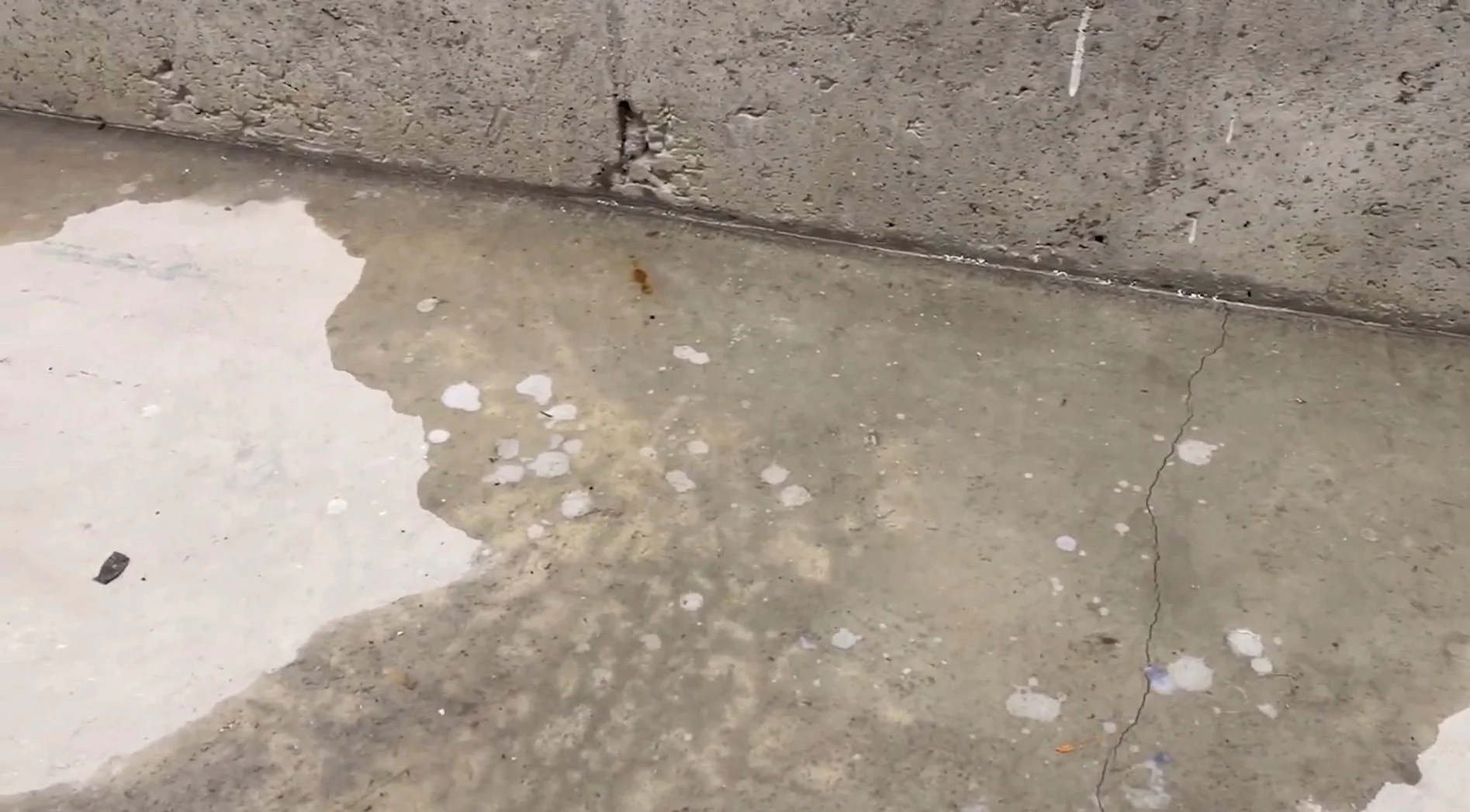
Downtown Lincolnshire and Lincolnshire West are not the same house. Local full 8-to-9 foot poured concrete and CMU block subterranean basements require specialized industrial extraction units to remove moisture trapped within wall cavities and subflooring. The equipment changes with the house. A basement is not the same job as a slab, a crawl space, or a hallway in a multi-unit building.
What this visit is not: rebuilding kitchens, repainting, or a mold remediation project. If a wall has to open so the water can actually leave, that happens. Putting the rooms back together is a later job, priced on its own.
Emergency Water Removal in Lincolnshire, IL: We're Here 24/7
Pipes fail at 1 a.m. Storms do not check business hours. The on-call tech for Lincolnshire and the rest of Lincolnshire County Area answers overnight, on weekends, and on holidays.
Call (888) 846-0214. Say the street and what is wet. A person answers. You get a straight answer on whether a truck can roll, and about when it will be there. If the loss is sewage, or water is near the electrical panel, say that first so the crew brings the right gear and you stay out of the room.
Same-day service is literal. Calls that come in by 5:00 PM are scheduled for that calendar day in Lincolnshire, as long as roads are open. After 5:00 PM, you are first on the next morning board unless water is still spreading. Spreading water does not wait for morning.
While You Wait For Our Dispatch Unit:
- Shut the main valve: If the water is from plumbing, shut the main valve. In most houses in Lincolnshire it is where the line enters, often on a basement wall or in a utility closet.
- Electrical safety first: If water is above outlets, around the panel, or you smell gas, leave and call the utility. Do not wade through it.
- Keep people and pets out: Sewage and water that came in from the street are a health problem, not a mopping problem.
- Photograph the loss: Photograph the source, the water line on the wall, and each wet room before you move furniture. Insurers ask for this.
- Elevate small items: Lift lamps, shoes, and small furniture onto dry ground if you can do it without stepping into deep or dirty water. Leave soaked drywall alone.
- Avoid vacuuming or heating: Do not run a household vacuum, and do not crank the heat to bake the room dry. Both make a mess worse.
A shop vac can lower a puddle on tile. It will not dry a pad, a wall cavity, or a basement that is still filling. That is the part the truck is for.
Emergency Water Removal Near Me in Lincolnshire, IL: Fast Local Response
"Near me" in Lincolnshire means a crew that can reach your block, not a call center reading a national script. Lincolnshire sits in the core of Lincolnshire County Area. Lincolnwood is about 13 miles away. The truck you want is the one already working Illinois Regional Service Corridor, not one starting the drive from the far end of Illinois.
Tell the dispatcher the nearest cross street, and whether the house is in Downtown Lincolnshire, Lincolnshire West, or out toward Lincolnwood. Those details decide which tech is closest and whether a pump, a weighted carpet tool, or sewage protection goes on the truck.
Response time moves with weather and with how many homes are hit at once. A single burst pipe on a quiet Tuesday is a different night from a storm that fills basements across Lincolnshire County Area. You will hear the real window when you call, not a slogan.
A lot of calls that use the Lincolnshire name are actually Lincolnwood, Lindenwood, or Lisle. Say the real town if that is the address. The closer truck should take it.
Signs You Need Emergency Water Removal in Lincolnshire, IL
You do not need a moisture meter to know some of these. Call when:
- Water is visible on the floor, the carpet squishes, or a basement stair has a water line.
- A ceiling is bubbling or a light fixture is dripping. Water from the floor above is already past the paint.
- The water heater, supply line, or appliance hose failed, even if you already shut the valve. The water that left the pipe is still in the materials.
- You hear the sump running nonstop, or you come home and it is silent while the pit is full.
- There is a sewage odor, a gray film, or water that came up through a floor drain.
- Paint is wrinkling, baseboards are swelling, or a floor feels soft along an outside wall after rain.
- The power tripped and you do not know if water reached an outlet.
A small stain on a ceiling can be a slow leak. Emergency water removal is for water that is present now, or that soaked a room since the last time someone was home. If you are unsure, call (888) 846-0214 and describe it.
People in Lincolnshire often wait because the water "stopped." The leak stopped. The water in the pad and the wall did not. The U.S. EPA tells owners to get standing water and wet materials dried within 24 to 48 hours. After that, materials that are still wet are often thrown out instead of saved. Insurers also look at whether you acted to limit the loss. Waiting the weekend is how a covered sudden loss turns into a fight about mold.
Serving Every Corner of Lincolnshire with Emergency Water Removal
About 20,259 people live in Lincolnshire. The crew plans the stop from the neighborhood, because access and construction change the job.
Downtown Lincolnshire
Downtown Lincolnshire is one of the main pockets this crew already runs. Streets, parking, and the age of the houses all change the job. If you are in a condo, a flat, or a house with a shared mechanical room, say that when you call. The shutoff may not be inside your unit. Photos of the water line help if a neighbor's line is the source.
Lincolnshire West
Lincolnshire West is the other pocket that should be named on this page. Local full 8-to-9 foot poured concrete and CMU block subterranean basements require specialized industrial extraction units to remove moisture trapped within wall cavities and subflooring. Tell the tech if the lowest level is finished, if there is a crawl space, or if the house is on a slab. Finished rooms hold more water in the pad and the wall board. A slab shows you the water faster and hides less of it.
the surrounding Lincolnshire County Area area
Outside those two areas, the same crew covers the rest of Lincolnshire and nearby the surrounding Lincolnshire County Area area when the drive still gets a tech to the door in a useful window. Lincolnwood, Lindenwood, and Lisle are the usual next stops. If you are closer to one of those than to the center of Lincolnshire, say so.
Why Lincolnshire Residents Trust Us for Emergency Water Removal
Trust on a water call is simple. Did someone answer, did they show up, and did they get the water out without inventing work.
✓ Code-Compliant Standards
Removal follows the same rules adjusters and careful contractors already use. The IICRC S500 standard sorts water by how dirty it is, and by how hard the structure is to dry. Category 1 is clean water from a supply line or water heater. Category 2 is gray water, such as a washer or dishwasher discharge. Category 3 is sewage, or water that came in from outside, and it is handled with full protection. Porous materials soaked with Category 3 water come out. They are not sprayed and saved. Clean water that sits for days is no longer treated like fresh supply water. The crew writes down which category they found, in the notes for your claim.
✓ Same-Day Service
The on-call schedule is there so jobs in Lincolnshire start the day you call, not sometime this week. Before 5:00 PM, the stop is booked for that day when the roads allow it. Active leaks and rising water jump the line. You are told the arrival window in the same conversation, and you get a call when the truck is close.
✓ Upfront Scope & Pricing
You hear the scope before equipment runs. How many square feet are wet, what category the water is, and whether pad or drywall has to come out. That scope is the price. If the tech opens a wall and finds more water than the floor showed, they stop and tell you before the extra work. You should not meet a new number for the first time on the final invoice.
✓ Licensed & Insured
The crew carries general liability insurance and works under the contractor rules that apply in Illinois. Ask for the certificate when the tech arrives. If Lincolnshire or Lincolnshire County Area requires a local license on the estimate, it is printed there.
A long list of company names in Lincolnshire County Area does not mean a long list of crews that answer at 2 a.m. The number that matters is the one that picks up: (888) 846-0214.
Local Emergency Water Removal Facts for Lincolnshire, IL
- 20,259 residents: About 20,259 people live in Lincolnshire. Use the latest Census Bureau city estimate, not a metro number and not a guess. More roofs means more supply lines, more water heaters, and more lowest floors that can take water on the same storm night.
- Lincolnshire County Area: Lincolnshire is in Lincolnshire County Area. Disposal rules for sewage-soaked debris follow local rules. Category 3 material does not go in a household trash bin. The crew handles it.
- Illinois Regional Service Corridor: Lincolnshire is in Illinois Regional Service Corridor. Local Illinois River, Des Plaines River, and Mississippi River drainage networks dynamics and dense silty clay till with low percolation permeability create heavy hydrostatic pressure on residential foundations during severe weather events. A crew that works this part of Illinois should already know which forecasts actually produce calls here.
- Lincolnwood, 13 miles: Lincolnwood is about 13 miles from Lincolnshire. Homeowners search both names. If Lincolnwood is the closer roll, that truck takes the job. You should not pay for a longer drive when a nearer crew is on this same line.
- within Lincolnshire County Area: Lincolnshire is in Lincolnshire County Area. Out-of-town owners use that larger city when they give directions. For the truck, the pin that matters is the address in Lincolnshire, plus the primary I-55 corridor or the Lincolnshire central civic district if a street is closed.
- Licensed pros serving Lincolnshire County Area: Several licensed water-removal companies may list Lincolnshire County Area. A listing is not the same as a crew that answers overnight. Do not print a company count unless you have verified it. This page is one direct line for Lincolnshire, and the tech who takes the call is the one who does the extraction.
Common Emergency Water Removal Problems in Lincolnshire, IL
These are the jobs that repeat in Illinois Regional Service Corridor. The fix starts the same way each time: make it safe, stop more water, extract what is already there.
Burst Supply Lines
A split line can release a large volume in minutes. This is often clean water at the start, which is the best case if extraction happens the same day. Shut the main and call. In cold months, add this local note: sub-zero polar vortex freeze cycles that fracture uninsulated supply lines and freeze exterior discharge outlets.
Water Heater Failures
Tanks fail at the bottom or at a fitting and empty onto the floor. The water is hot. Do not step into it. The tank's full volume is already out by the time most people notice.
Washer, Dishwasher, and Ice-Line Leaks
Hoses and ice-maker lines are a top source in kitchens and laundry rooms in Lincolnshire. The water may be gray water once it has mixed with detergent or drain residue. Tell the tech which appliance it was.
Sump Pump Failure
Where houses rely on a pit, one dead pump during a storm fills the lowest level. Local full 8-to-9 foot poured concrete and CMU block subterranean basements require specialized industrial extraction units to remove moisture trapped within wall cavities and subflooring. Check the pump every fall if the house has one. A backup pump is cheaper than a basement extraction.
Sewer and Floor-Drain Backups
This is heavily contaminated water. Keep children and pets out. Do not run a fan across sewage to dry the smell. Porous goods that were soaked usually cannot be saved. A standard homeowners policy often does not cover this unless a sewer-backup endorsement is on the policy. Ask the agent. Do not assume.
Storm Water That Entered From Outside
Water that rises from the street or from outside the foundation is a flood, and a standard homeowners policy usually does not pay for it. A separate flood policy does. Rain that came through a storm-opened hole in the roof is a different fact pattern, and many policies do treat that as sudden. The crew removes the water either way. Coverage is between the owner and the policy. Local pattern to name on this page: Local Illinois River, Des Plaines River, and Mississippi River drainage networks dynamics and dense silty clay till with low percolation permeability create heavy hydrostatic pressure on residential foundations during severe weather events.
Ceiling Leaks From a Unit or Bath Above
More common in Downtown Lincolnshire, where homes and flats sit close together. The water downstairs is not the whole amount. The cavity above is wet too.
Transparent Emergency Water Removal Pricing in Lincolnshire, IL
There is no honest single price for water removal in Lincolnshire without knowing how much water, how dirty it is, and what it soaked. Anyone who quotes one flat citywide fee from a web form is guessing.
National planning ranges, from published 2026 home-service cost guides, for extraction and drying before any rebuild:
| Water Category |
Typical Source |
Planning Range Per Sq Ft |
| Category 1, clean |
Supply line, water heater, rain through a sudden opening |
about $3 to $4 |
| Category 2, gray |
Washer, dishwasher, aquarium, dirty supply water |
about $4 to $6.50 |
| Category 3, black |
Sewage, outside floodwater, water left sitting for days |
about $7 to $7.50 or more |
A single room with a clean-water supply-line break often lands between $1,200 and $3,500. A wider loss, or water that reached the ceiling and the floor below, moves into several thousand dollars. Sewage and tear-out cost more because of protection, disposal, and materials that have to leave. Rebuild, meaning new drywall, flooring, and paint, is not included in these figures.
What moves the number in Lincolnshire:
- Wet square footage, including closets and stairs, not just the room where you noticed the water.
- Category. Dirty water costs more and saves less.
- Local full 8-to-9 foot poured concrete and CMU block subterranean basements require specialized industrial extraction units to remove moisture trapped within wall cavities and subflooring.
- Tight parking in Downtown Lincolnshire, or no place to stage a truck.
- An overnight or holiday start.
- How long the water sat before you called.
You get the number for that house after a look, before the extraction starts. If there is insurance, the carrier should open a claim. Many policies want the owner to limit further damage, which includes hiring removal quickly. The crew can document moisture and photos in a form adjusters are used to seeing. That is help with the paperwork. It is not a promise that the policy will pay.
Why Lincolnshire Homeowners Choose Us Over Other Emergency Water Removal Companies
Lincolnshire County Area has other companies that can run a pump. The differences show up at night, on the invoice, and in what they tear out.
| What You Run Into |
A Weak Call |
Water Removal Pros |
| Who answers |
A queue, then a text the next day |
A person on (888) 846-0214, including overnight |
| When the truck rolls |
"We'll try for tomorrow" |
Same day before 5:00 PM, sooner if water is still rising |
| How they scope |
One price on the phone, another at the door |
Scope and price before equipment runs |
| Dirty water |
Fans pointed at sewage |
Category 3 handled with protection, ruined porous materials removed |
| Local fit |
A truck from across Illinois |
A crew that already works Illinois Regional Service Corridor |
| The writeup |
A vague invoice |
Category, rooms, and photos you can hand to an adjuster |
On a bad night the useful question is who will be at the house. That is (888) 846-0214. If a landlord or a property manager is the one calling, the same line works. Say whose name is on the water bill and whether anyone is still inside.
Our Emergency Water Removal Process in Lincolnshire, IL
The order does not change from Downtown Lincolnshire to Lincolnshire West. The details do.
- You call (888) 846-0214: Address, source if you know it, and whether anyone is still in the wet area. If the power and the water are a danger, leave before doing anything else.
- The source gets stopped, if that is safe: Main valve for plumbing. Utility for anything electrical. A crew does not extract against a pipe that is still feeding the room.
- The loss gets classified: How dirty the water is, and how much material is wet, from a small area up to saturated plaster, hardwood, or concrete. You are told which one they are looking at.
- Standing water comes out: Pumps for depth, extractors for carpet and pad, controlled removal where water is trapped under flooring. This is the core of the visit.
- What cannot stay, goes: Pad that has been underwater, sewage-soaked drywall at the wet height, and insulation that is holding dirty water. Clean, lightly wet materials that can dry in place stay.
- The structure gets checked for hidden water: Meters along walls, under cabinets, and in the rooms next door. Missed water in a wall is why people call again on day three.
- Drying equipment stays only if readings say it should: Air movers and dehumidifiers are for water left in materials after extraction. They are not a substitute for getting the standing water out.
- You get notes and photos: Enough for the owner, the landlord, or the insurer. Rebuild is a separate decision. It is not slipped into the removal invoice.
Most extraction visits in a single home take a few hours. Drying, when it is needed, often runs one to three days, sometimes longer on hardwood, plaster, or concrete. You can stay in the home if the wet area can be isolated, the water was clean, and the power is safe. Sewage losses are different. The tech will say so before they leave.
Serving Lincolnshire, IL and Surrounding Areas with Emergency Water Removal
The primary area is Lincolnshire, IL, including Downtown Lincolnshire, Lincolnshire West, and the rest of the city. From there the same crew covers nearby parts of the surrounding Lincolnshire County Area area when the drive still gets a tech to the door in a useful window.
Lincolnwood, Lindenwood, and Lisle are the most common second stops. Lincolnwood is about 13 miles away, and that direction is covered when it is actually the closer truck.
This is not a claim of a garage in every town in Illinois. Lincolnshire is in the core of Lincolnshire County Area. Jobs far outside Lincolnshire County Area belong to a closer crew. If the address is outside the area this crew can reach tonight, the person on (888) 846-0214 will say that, instead of booking a time they cannot make.
Local Landmarks and Neighborhoods in Lincolnshire
- Neighborhoods: Downtown Lincolnshire should be described with one true local detail about the houses there, then this line can stay: leaks in older buildings hide in cavities, and parking is often the practical problem. In Lincolnshire West, the water usually shows across a large floor, not as a single drip. Lincolnwood and Lindenwood get the same storms. The dispatcher needs the real town name so the pin is right.
- Landmarks: the primary I-55 corridor and the Lincolnshire central civic district are the pins crews can use when a map pin is vague or a street is closed by water. If the house number is hard to see from the road, give the nearest cross street. In a storm, that saves more time than a second phone call.
- Historical Places: historic Lincolnshire vintage homes and older building stock stands in for the older building stock in Lincolnshire. Plaster, true hardwood, and additions that put plumbing in odd places hold water longer than modern board and carpet. If the home is in that older group, say so. The crew brings meters that read dense materials, not just the surface of the carpet.
Seasonal Emergency Water Removal Tips for Lincolnshire, IL
Spring
Spring calls in Illinois Regional Service Corridor come from rapid seasonal snowmelt, frozen ground surface runoff, and intense April thunderstorm squalls. Walk the lowest room after the first long rain. Confirm any sump discharges to the yard, not into a drain that is already full. If a line split, shut the valve even if the drip looks small.
Summer
Summer in Lincolnshire means high-humidity convective cloudbursts and sudden urban flash storm downpours. Before a forecast that actually threatens Lincolnshire County Area, move storage off the lowest floor and test the pump if the house has one. If water is already inside, call (888) 846-0214. Do not wait to see if the next band of rain is lighter.
Fall
Fall here means prolonged autumn rain fronts, gutter overflows, and early seasonal freeze cycles. Gutters packed with leaves send water along the foundation. Look at the water heater. Units near the end of their life often fail when the house is closed up and a leak runs longer before anyone smells it.
Winter
Winter water loss in Lincolnshire is driven by sub-zero polar vortex freeze cycles that fracture uninsulated supply lines and freeze exterior discharge outlets. If a pipe already split, the emergency is the water, not the plumbing repair. Shut the main, skip the soaked room if power is in the water, and call (888) 846-0214. A plumber replaces the pipe. Someone still has to get the water out of the floor and the wall the same day.
Lincolnshire, IL Emergency Water Removal FAQs
How fast can you reach a house in Lincolnshire?
Call (888) 846-0214 and you get a real window, not a recorded promise. Before 5:00 PM, the job is booked for that day when roads are open. Active water moves ahead of jobs that have already been stopped at the valve. Lincolnwood is about 13 miles away when that truck is closer.
How much does emergency water removal cost in Lincolnshire, IL?
Clean-water extraction and drying often plans out around $3 to $4 per square foot nationally. Gray water is higher. Sewage is higher still. A single clean-water room is often $1,200 to $3,500. The price is the scope given at the house before work starts. Local full 8-to-9 foot poured concrete and CMU block subterranean basements require specialized industrial extraction units to remove moisture trapped within wall cavities and subflooring. An after-hours start changes it too.
Will homeowners insurance pay for this in Illinois?
Often, when the water was sudden and accidental: a burst pipe, a failed heater, a hose that lets go, rain through an opening a storm just made. Policies usually do not pay for floodwater from outside, for a slow leak left alone, or for sewer backup unless that endorsement is on the policy. This is not a coverage opinion. Call the agent, and use the photos and moisture notes from the crew. Starting removal quickly supports the duty to limit further damage.
What should I do before the crew arrives?
Stay out of deep, dirty, or electrified water. Shut the main if the source is plumbing. Photograph each room. Do not tear out drywall yet. Do not run a regular vacuum. Call (888) 846-0214 with the address and the source.
Can I remain in the home?
Yes, on many clean-water losses, if the wet rooms can be closed off and the power is safe. No, or not in part of the house, when the water is sewage or the wet area is most of the floor you live on. The tech will tell you which one you have before they leave.
Do you work in Downtown Lincolnshire and out toward Lincolnwood?
Yes. Downtown Lincolnshire and Lincolnshire West are core stops. Lincolnwood, Lindenwood, and Lisle are regular runs. Lincolnwood is about 13 miles away and is covered when that is the closer truck. Farther than Lincolnshire County Area is a different conversation. Ask when you call.
How is emergency water removal different from restoration?
Removal gets the water out and starts drying what can be saved. Restoration rebuilds what had to be cut away: drywall, floors, trim, cabinets. This page is the emergency removal visit. If the same company is asked to rebuild, that estimate is separate and can be taken or left.
How long until the house is dry?
Extraction is the same day in most homes. Drying a typical room often takes one to three days. Hardwood, plaster, and concrete in older parts of Lincolnshire, including around historic Lincolnshire vintage homes and older building stock, take longer because the water is inside the material, not just on it.
Need Emergency Water Removal in Lincolnshire Today?
If the floor is wet in Lincolnshire, IL, call Water Removal Pros at (888) 846-0214. You will reach the on-call line for Lincolnshire County Area, not a form that sits until morning.
Have three things ready: the address, where the water seems to be coming from, and whether it is near power or it smells like sewage. The rest can wait until the truck is there.
Serving Downtown Lincolnshire, Lincolnshire West, Lincolnshire, and nearby the surrounding Lincolnshire County Area area. Same-day booking before 5:00 PM.