
When is the highest risk season for sump pump failures in Illinois?
The highest risk season for sump pump failure in Illinois occurs during the Spring Thaw (March through May), when rapid snowmelt combines with heavy spring rainstorms over frozen or saturated clay soil. A secondary peak occurs during Summer Severe Storms (June through August), when torrential thunderstorm downpours cause grid-wide electrical outages across ComEd and Ameren service areas. A third, often overlooked spike happens during Winter Polar Vortex Freezes (December through February) when exterior discharge lines freeze into solid ice plugs.
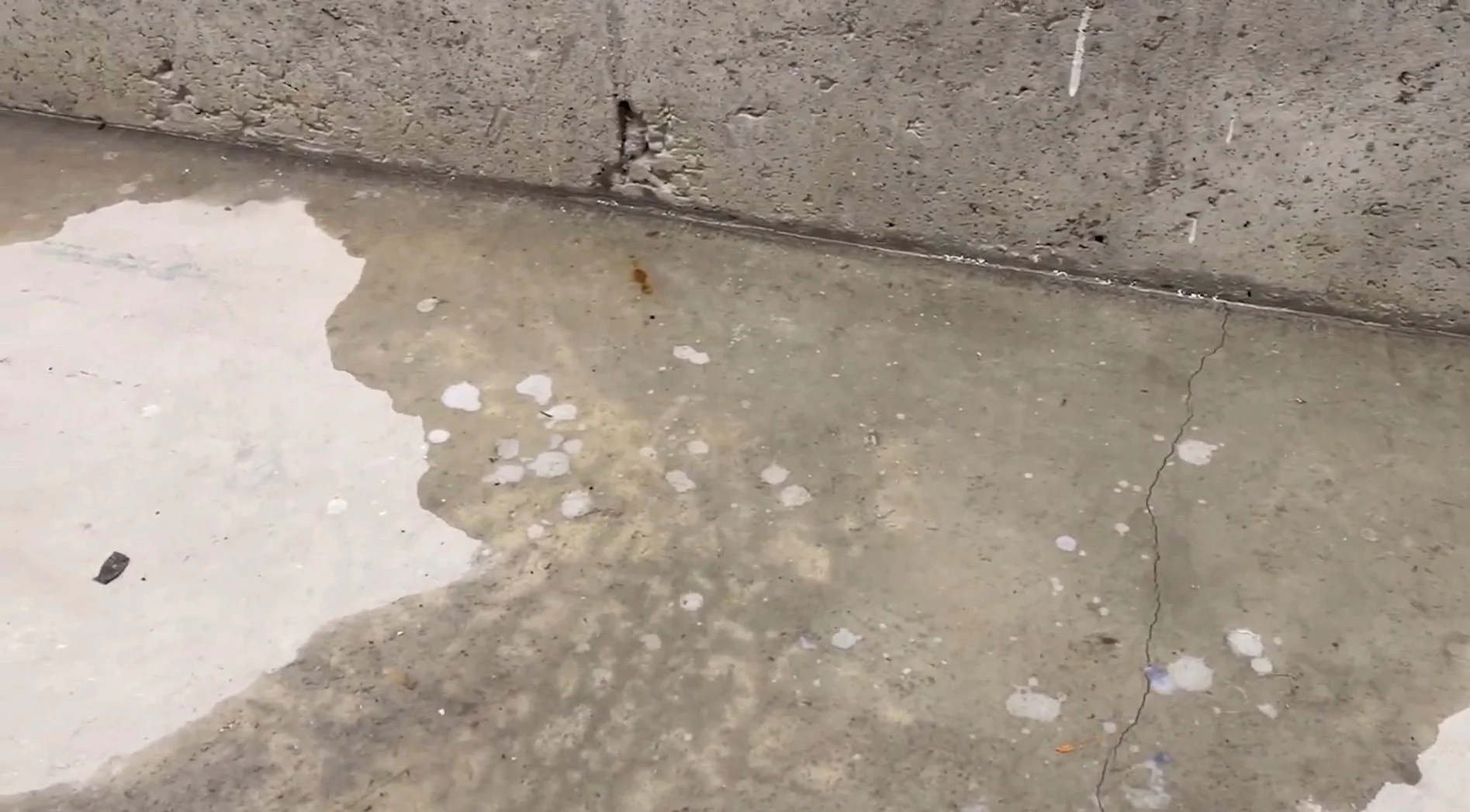
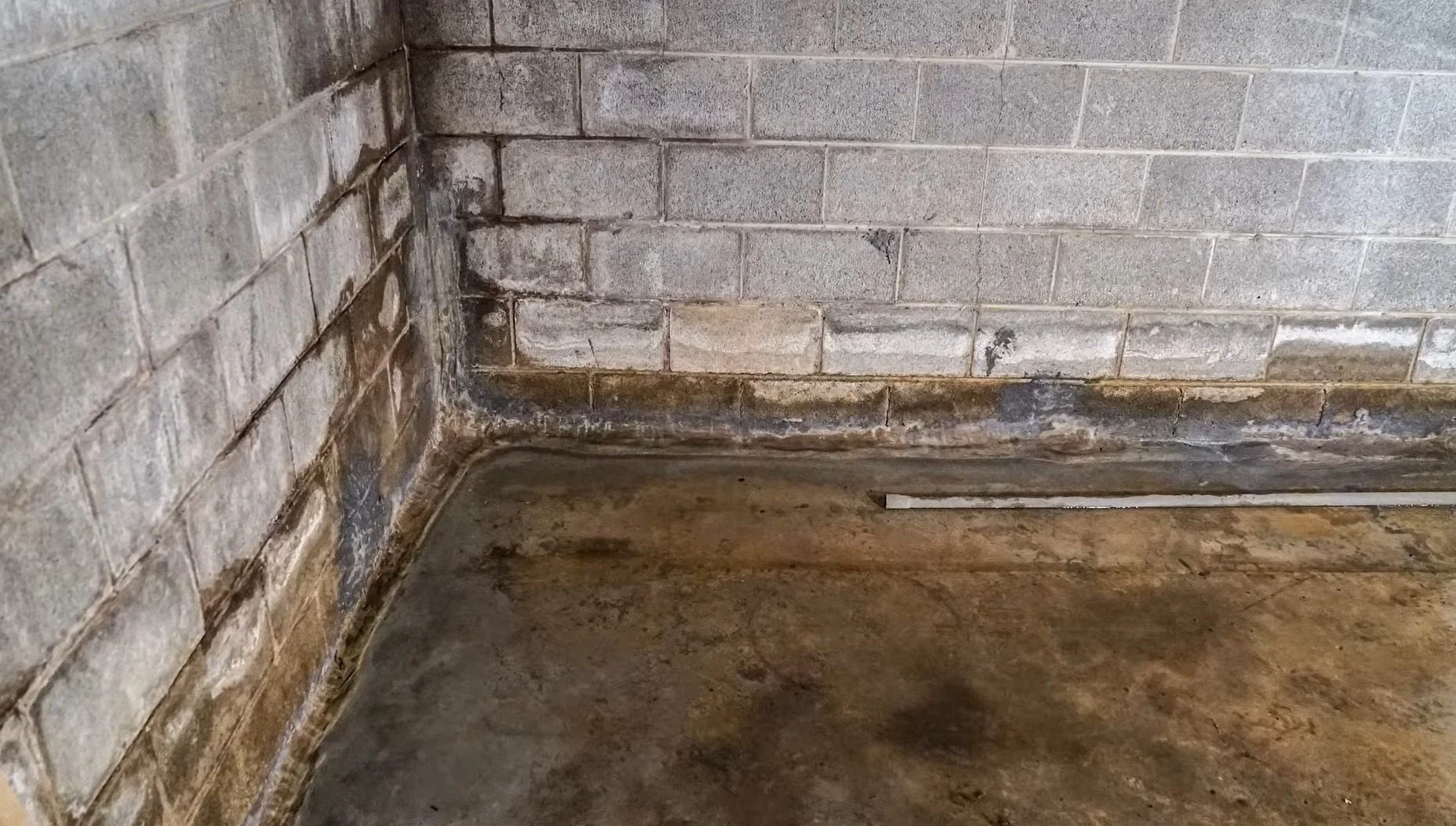
Spring Snowmelts, Saturated Clay & Non-Stop Cycling
Spring is responsible for over 55% of all basement flooding emergency calls across Illinois.
The "Frozen Subsoil" Phenomenon
In late March and early April, the top few inches of soil thaw while the subsoil remains frozen solid. When 2 to 3 inches of spring rain fall onto snowpack, the water cannot penetrate the deep ground. Instead, it sheets directly against residential foundation walls, rushing into perimeter drain tiles and filling sump pits faster than single 1/3 HP pumps can evacuate.
River Basin Swelling
Communities located within the watersheds of the Des Plaines River (Des Plaines, River Grove, Gurnee), Fox River (Elgin, St. Charles, Aurora), and Rock River (Rockford, Loves Park) experience prolonged high water tables. Pumps that run continuously every 20 seconds for days on end overheat, short-circuit, or seize mechanically without warning.
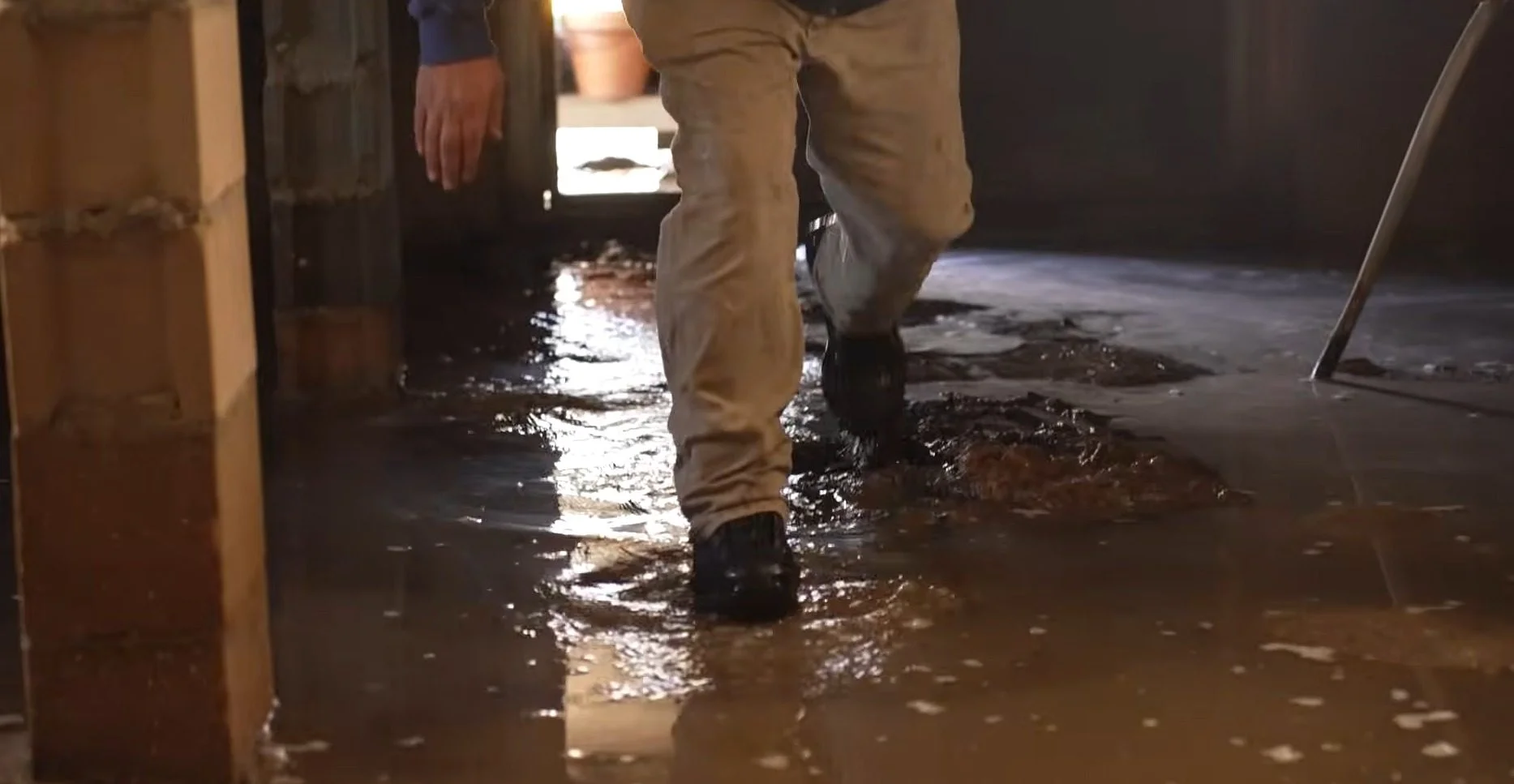
SUMMER (JUNE – AUGUST): DERECHOS & ELECTRICAL GRID FAILURES
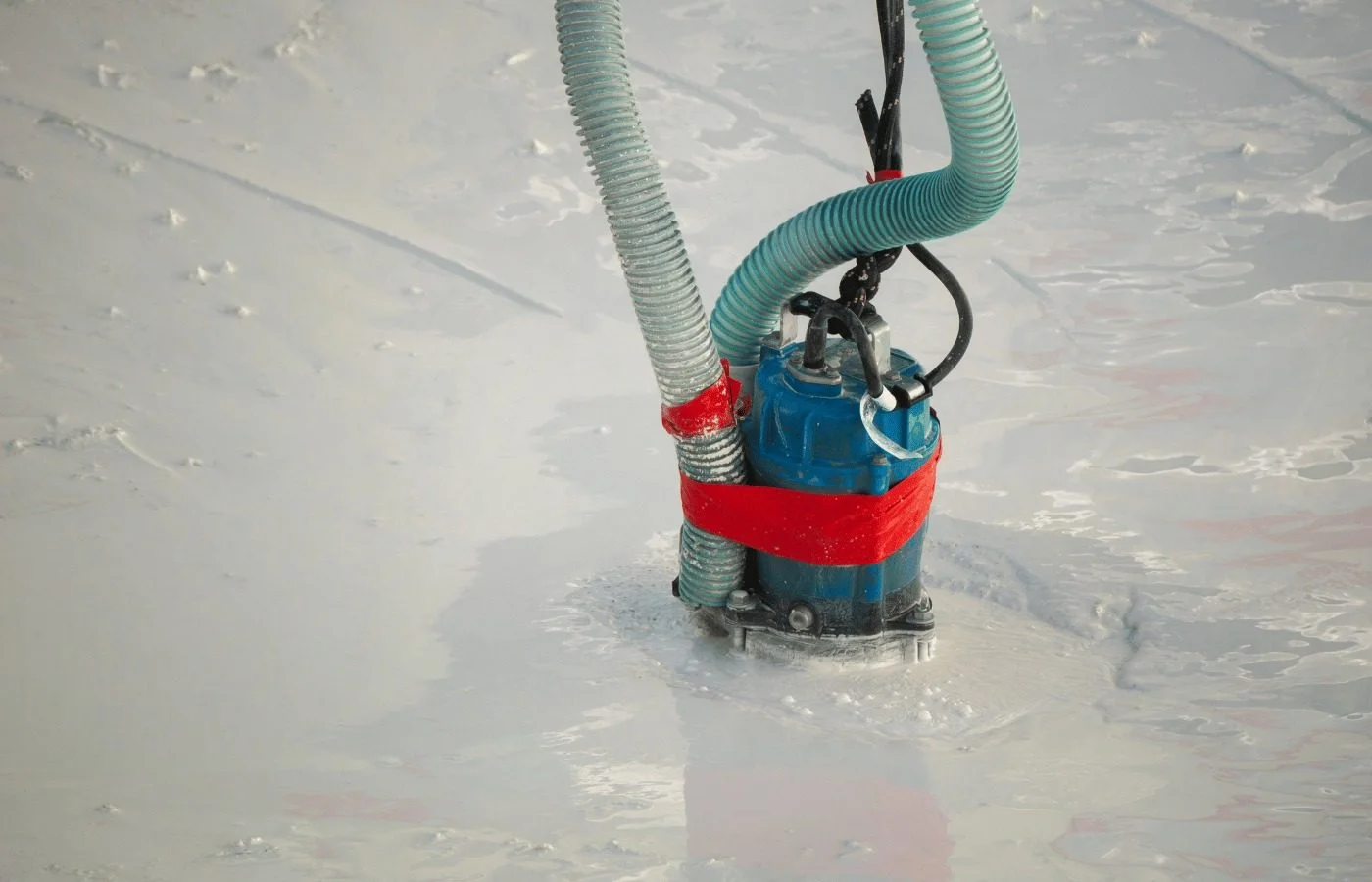
Summer Thunderstorms, Severe Outages & Sump Overflows
Summer brings rapid, high-intensity convective storms capable of dropping 2 to 4 inches of rain in under an hour, accompanied by high winds and lightning.
ComEd & Ameren Grid Outages
When severe weather knocks down trees and power lines, residential electricity cuts out at the exact moment water volume peaks. Homeowners without dedicated 12V battery backup systems or standby natural gas generators experience catastrophic flooding within 30 to 60 minutes of power loss.
Lightning Surges & GFCI Trips
Direct or nearby lightning strikes send electrical voltage spikes through home wiring, tripping the GFCI outlets that power sump pumps. Homeowners may sleep through the storm unaware that their pump's outlet has tripped until they step into a flooded basement the next morning.
AUTUMN (SEPTEMBER – NOVEMBER): THE SILT & DEBRIS ACCUMULATION
Fall Maintenance & Exterior Discharge Clearing
While rainfall decreases in the autumn, structural risks build up inside the sump pit itself:
- Clay Silt Accumulation: Months of heavy spring and summer pumping wash fine sand and clay sediment into the bottom of the basin, forming a thick sludge layer that chokes the pump's bottom intake screen.
- Exterior Exit Blockages: Falling leaves, pine needles, landscaping mulch, and small rodents enter unshielded exterior discharge pipe ends, causing partial clogs that reduce pump efficiency before the winter freeze.
Freezing Temperatures & Frozen Discharge Lines
Winter sump pump failures are among the most destructive because homeowners do not expect their basements to flood during sub-zero blizzards.
How a Discharge Line Freezes
When the temperature drops below 20°F during Illinois polar vortex events, trickles of discharged water freeze in exterior PVC lines that lack sufficient slope or exit into snowbanks. Layer upon layer of ice builds up until a solid ice plug blocks the pipe.
The Consequence
When the pump activates, it cannot push water past the ice obstruction. The motor hums continuously under backpressure, overheating until it burns out or trips the breaker. The groundwater then backs up and floods the basement.