What category of water damage is a sump pump failure?
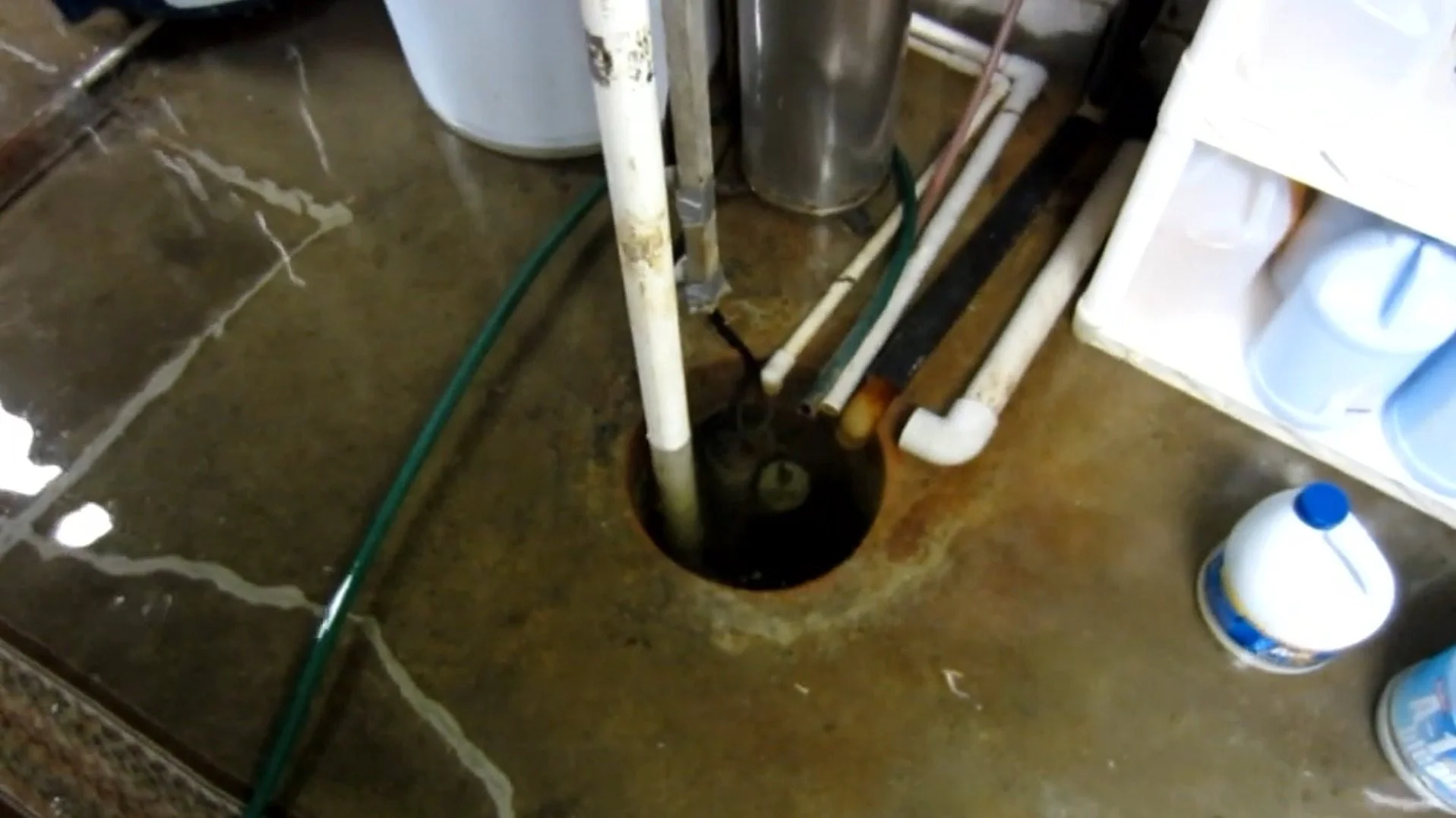
Under the IICRC S500 Standard for Professional Water Damage Restoration, water from a sump pump failure is classified as Category 2 (Gray Water). Sump water originates from exterior groundwater runoff filtering through soil, containing dissolved fertilizers, agricultural pesticides, animal feces, road salt, and biological microorganisms. If Category 2 sump water sits in a basement for more than 24 to 48 hours, it degrades into Category 3 (Black Water), presenting gross pathogenic hazards that require specialized antimicrobial decontamination and PPE.
The Three Categories of Water Intrusion
The Institute of Inspection, Cleaning and Restoration Certification (IICRC) establishes standard industry definitions for water contamination:
Category 1: Clean Water
Originates from a sanitary source, such as a broken copper water supply line or falling rainwater that has not contacted contaminants. It presents no initial substantial harm to humans, but will degrade into Category 2 within 24 to 48 hours if left unextracted.
Category 2: Gray Water (Sump Pump Overflow)
Contains significant chemical, biological, or physical contamination capable of causing discomfort or sickness if consumed or contacted. In Illinois, sump basins collect subsurface runoff carrying:
- Lawn fertilizers (nitrates and phosphates).
- Weed control pesticides and herbicides.
- Soil-dwelling bacteria (Pseudomonas, E. coli trace strains).
- Heavy clay sediment and decomposing organic matter.
Category 3: Black Water (Grossly Contaminated)
Grossly unsanitary water containing pathogenic agents, toxins, bacteria, viruses, or fungi. Category 3 water occurs when:
- Municipal sanitary sewers back up through basement floor drains.
- Overflowing rivers (Des Plaines, Fox, Mississippi) enter living spaces.
- Category 2 sump overflow is left stagnant for more than 48 hours in warm, humid basements.
Understanding Evaporation Rates: Class 1 to Class 4
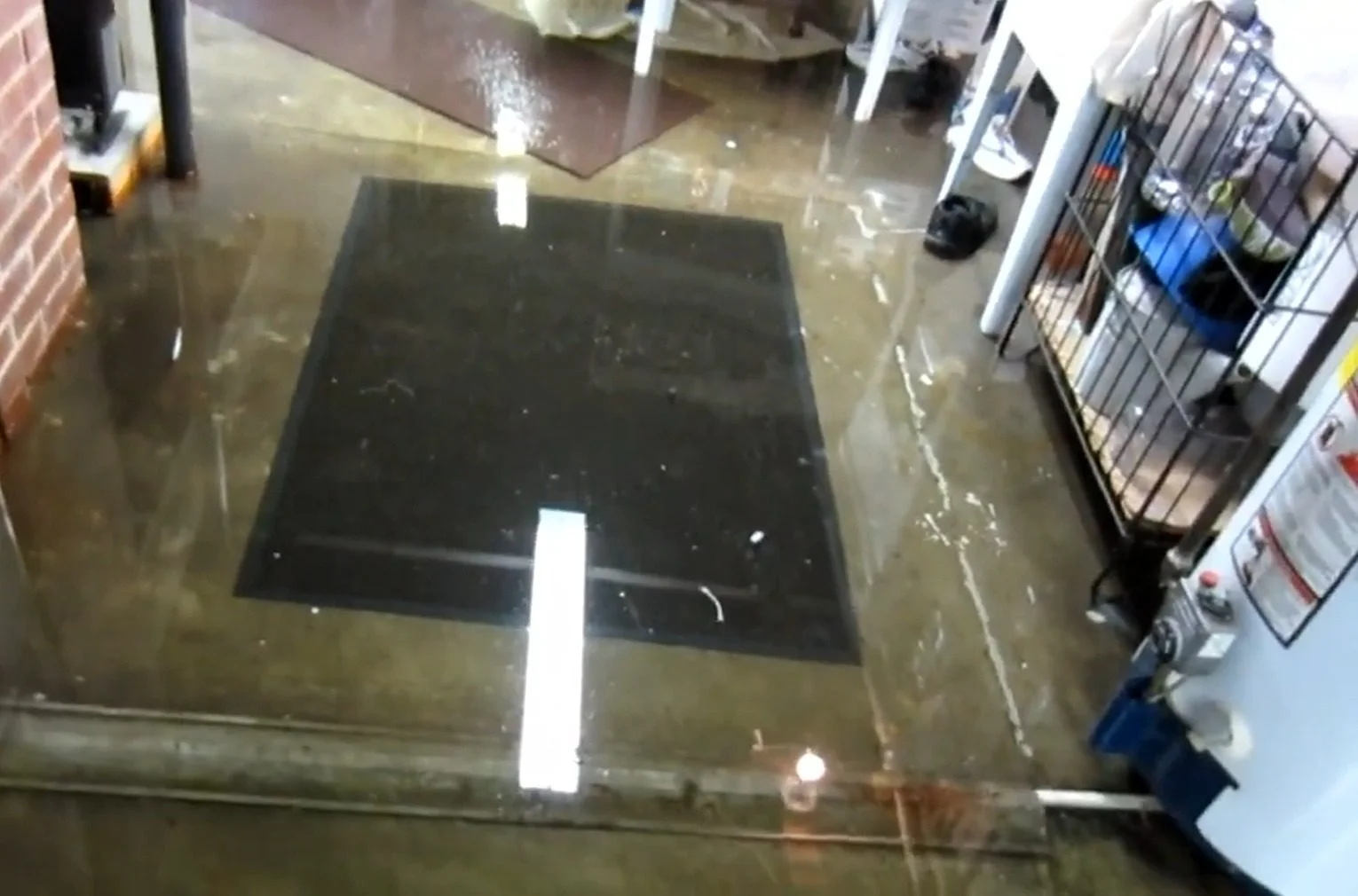
While Category defines the water's biological cleanliness, the Class defines the rate of evaporation based on the type of materials soaked:
- Class 1 (Slow Evaporation Rate): Water affects only a small portion of a room, soaking low-permeability materials like concrete or plywood subfloors with minimal moisture absorption.
- Class 2 (Fast Evaporation Rate): Water affects an entire room, soaking carpets, cushion padding, and wicking 12 to 24 inches up drywall framing studs.
- Class 3 (Fastest Evaporation Rate): Water has saturated overhead ceilings, entire drywall walls, insulation, and multi-room flooring. Often accompanied by heavy humidity spikes above 85% RH.
- Class 4 (Specialty Drying): Water has penetrated deeply into low-porosity materials such as solid hardwood flooring, concrete structural slabs, brick, and crawlspace framing, requiring specialized desiccant dehumidification.
Why You Should Never Ignore Sump Pump Water Damage
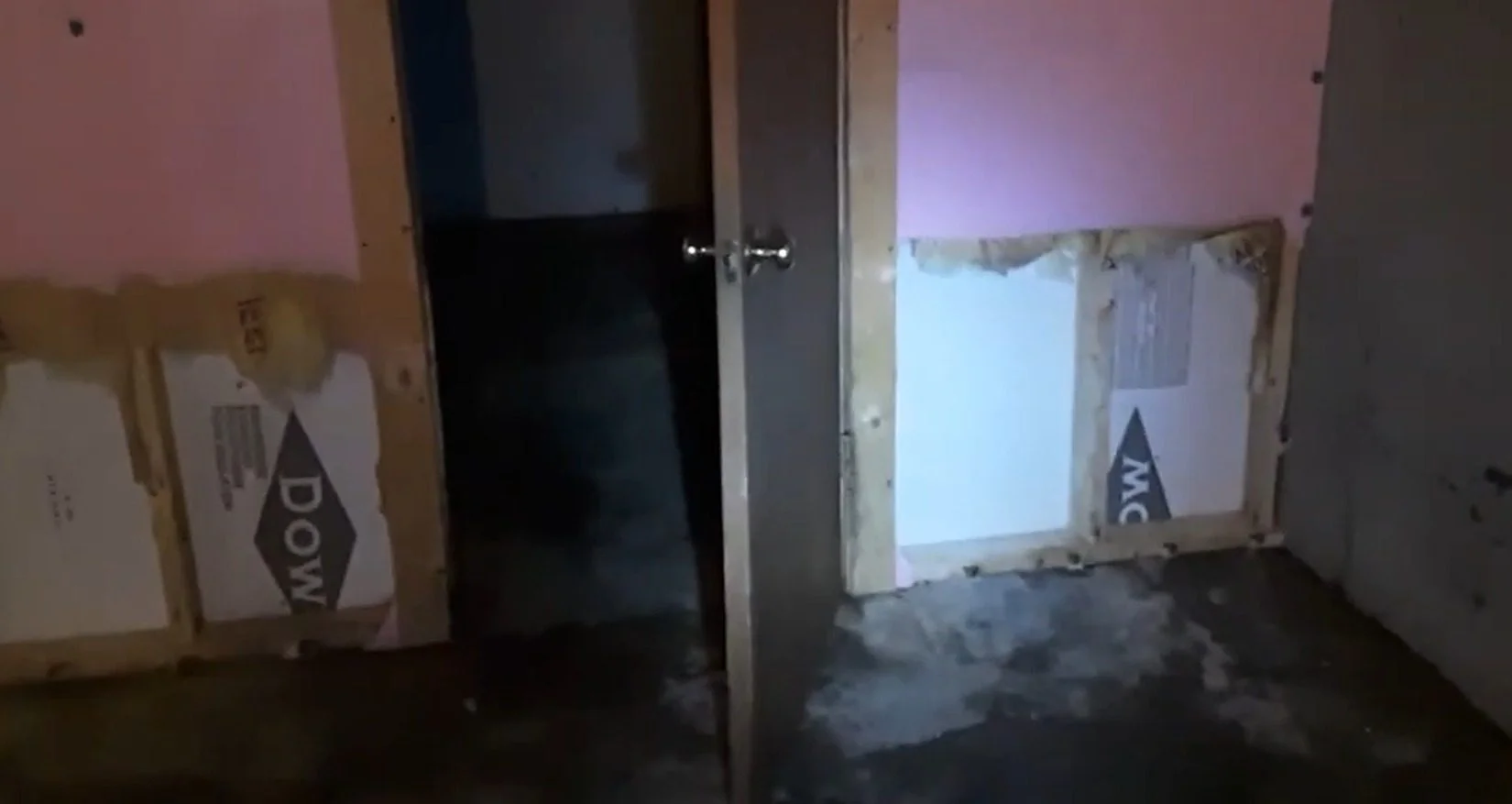
Groundwater backed up into a living area is not simply "dirty water"—it is an active biological breeding ground:
- 1 Bacterial Endotoxins: Saturated subfloors and drywall produce high levels of airborne bacterial endotoxins that cause headaches, eye irritation, nausea, and respiratory distress.
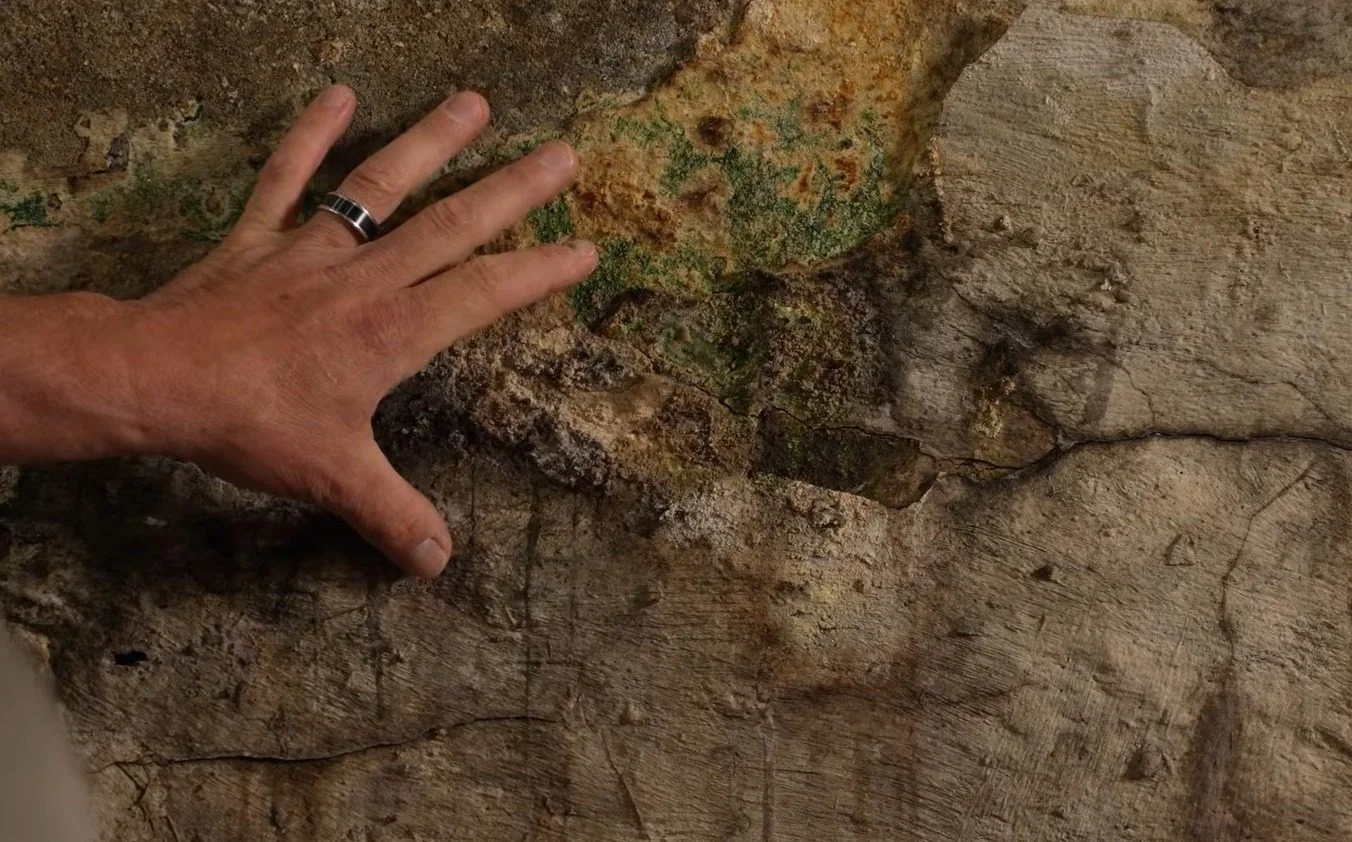
- 2 Mold Spore Amplification: Fungal mold species (Aspergillus, Penicillium, Cladosporium) release millions of microscopic mycotoxins into your home's central HVAC airflow within 48 hours.
- 3 Structural Wood Rot: Fungal decay weakens 2x4 framing studs, floor joists, and sill plates, permanently compromising the structural integrity of your foundation footings.
How We Restore Category 2 Sump Pump Water Damage
When Rapid Basement Relief responds to a sump pump overflow in Illinois, our IICRC-certified technicians follow strict decontamination protocols:
- 1 Extraction of All Gray Water: Removal of liquid water using truck-mounted vacuum extractors.
- 2 Porous Material Disposal: Removal of contaminated foam carpet padding, water-soaked insulation, and delaminated drywall (flood cuts performed 12–24" above the waterline).
- 3 Antimicrobial Fogging & Surface Wash: Application of EPA-registered botanical disinfectants across all exposed concrete slabs, block foundation walls, and wooden studs.
- 4 Air Scrubbing with HEPA Filtration: Deployment of commercial air scrubbers equipped with 3-stage 0.3-micron HEPA filters and activated carbon beds to capture airborne spores and volatile organic compounds (VOCs).
- 5 Targeted Structural Dehumidification: Placement of commercial Low-Grain Refrigerant (LGR) dehumidifiers to achieve balanced psychrometric vapor pressures and baseline dry standards.